Vegan Japanese Cuisine
Owner of BentoYa Cooking School (Tokyo, Japan)
Japanese food is one of the most elegant and esteemed cuisines in the world, and it can be perfectly prepared in a fully vegan way
With just a few ingredients, you’ll learn to unlock the complex umami taste that defines the Japanese cuisine.
Over the centuries, the Japanese have perfected their food to taste and look beautiful and exciting. Based on just a few key ingredients, the recipes are a harmonic blend of a couple essential flavors. Most Japanese recipes live from a clear umami taste which enhances and brings out the overall flavor profile of this cuisine. Combined with fresh ingredients, the right seasoning and more, you will discover a diverse and rich cuisine that has so much to offer.
This course is perfect for anyone curious about Japanese cuisine, whether you follow a plant-based diet or not. No prior cooking experience is required—just a passion to learn and create.
At the end of this course you will be able to:
- Make your own vegan ramen noodles and rich, flavorful broth from scratch
- Prepare traditional sushi rice and roll vegan sushi like a pro
- Create gyoza, inside-out rolls, and pickled ginger to complete your meals
- Substitute ingredients when Japanese products are not available
- Reproduce authentic Japanese dishes using only plant-based ingredients
Course Syllabus
Course Content
Japanese cuisine is not about complexity—it’s about balance, creativity, and honoring fresh ingredients.
What you'll learn
This course proves you don’t need fish or meat to prepare food that’s deeply satisfying and beautifully plated.
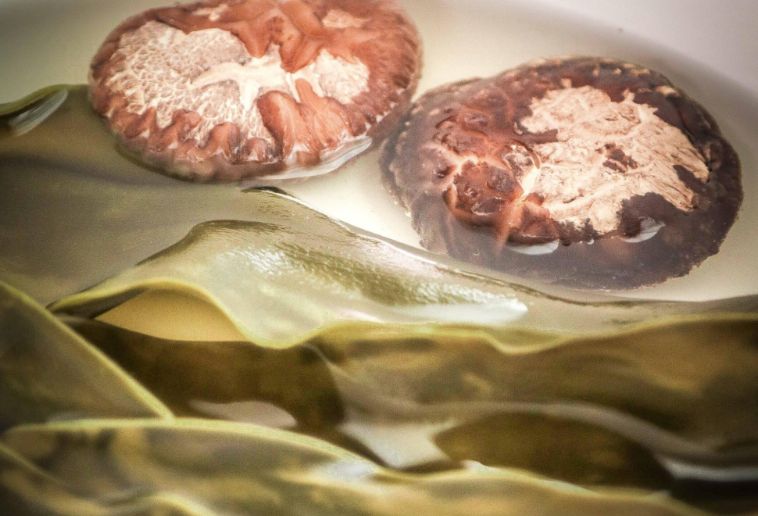
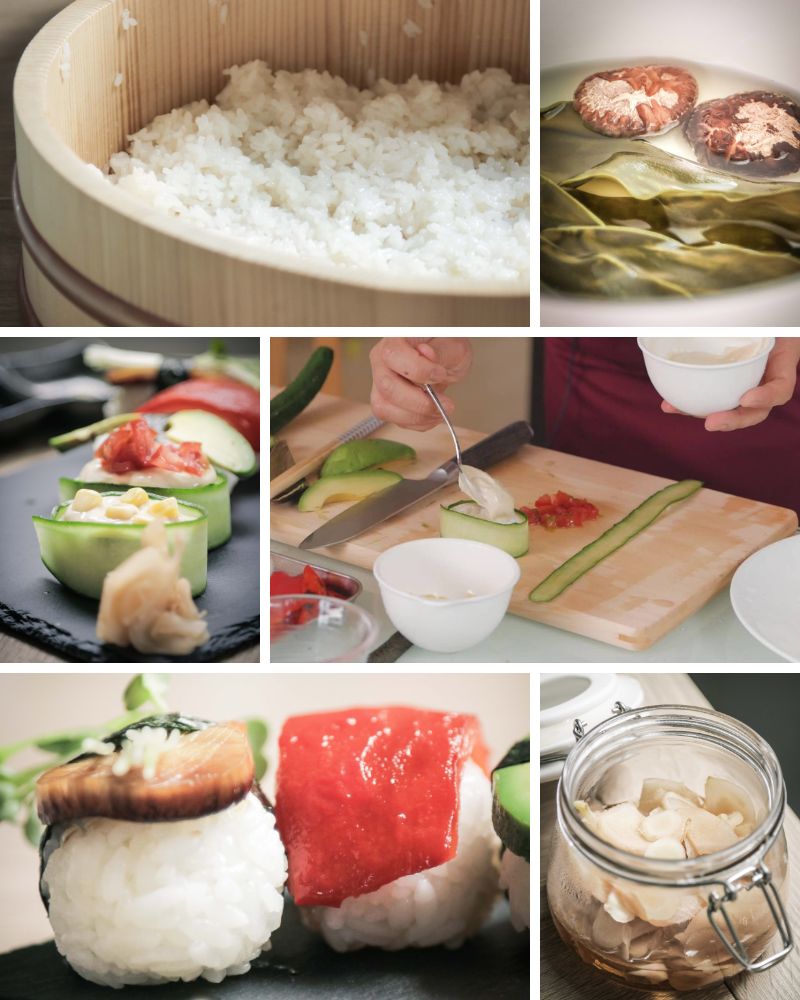
Dashi Stock: A light Japanese base broth made by gently simmering kombu kelp and shiitake mushrooms. Its umami depth serves as the foundation for soups, ramen, and sauces.
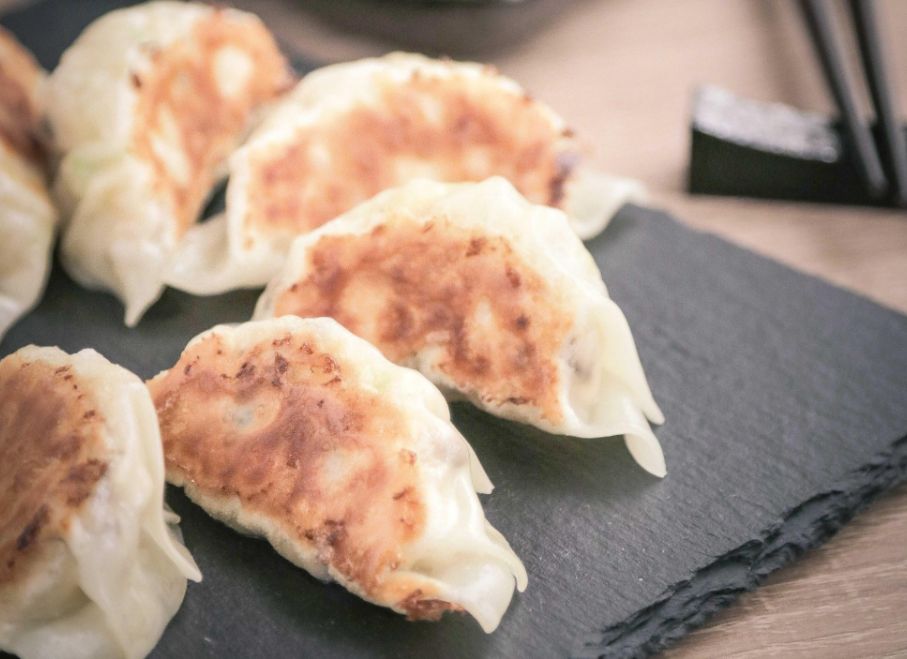
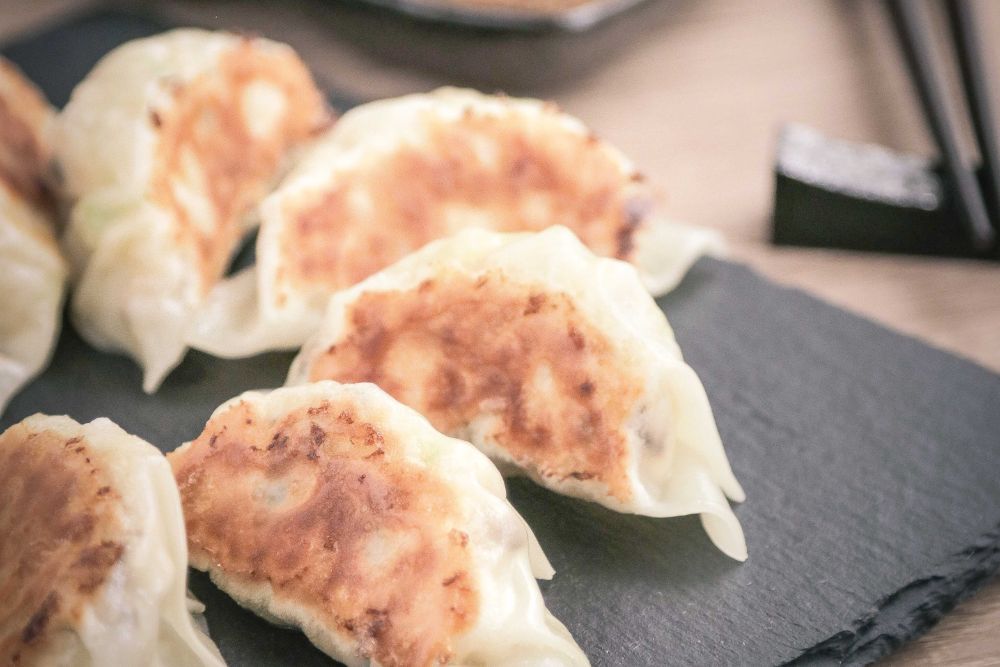
Vegan Gyoza: Delicate Japanese dumplings filled with minced cabbage, shiitake, tofu, quinoa, and aromatic seasonings. They are wrapped, pan-fried until golden, and served with dipping sauce.
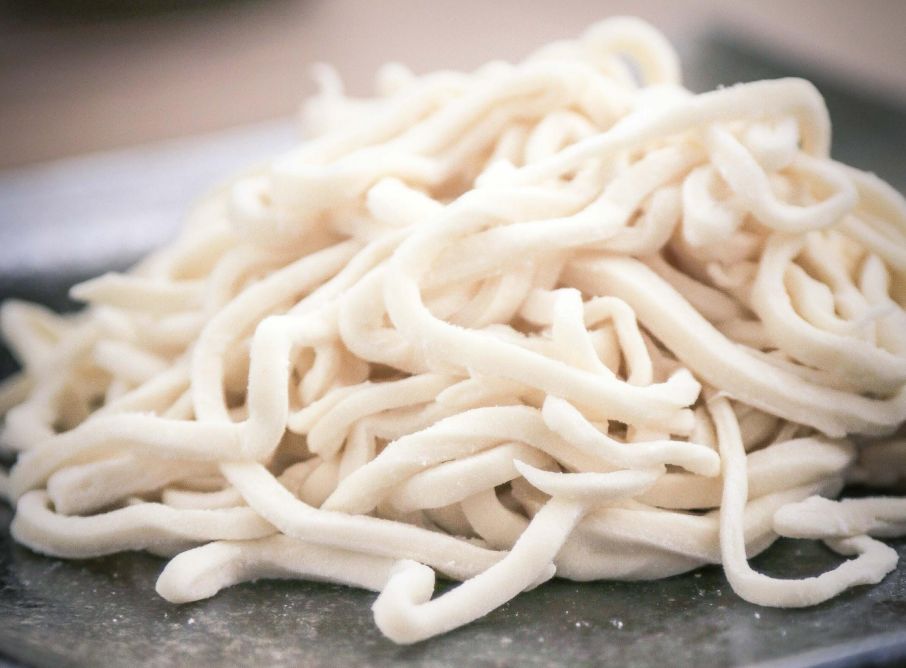
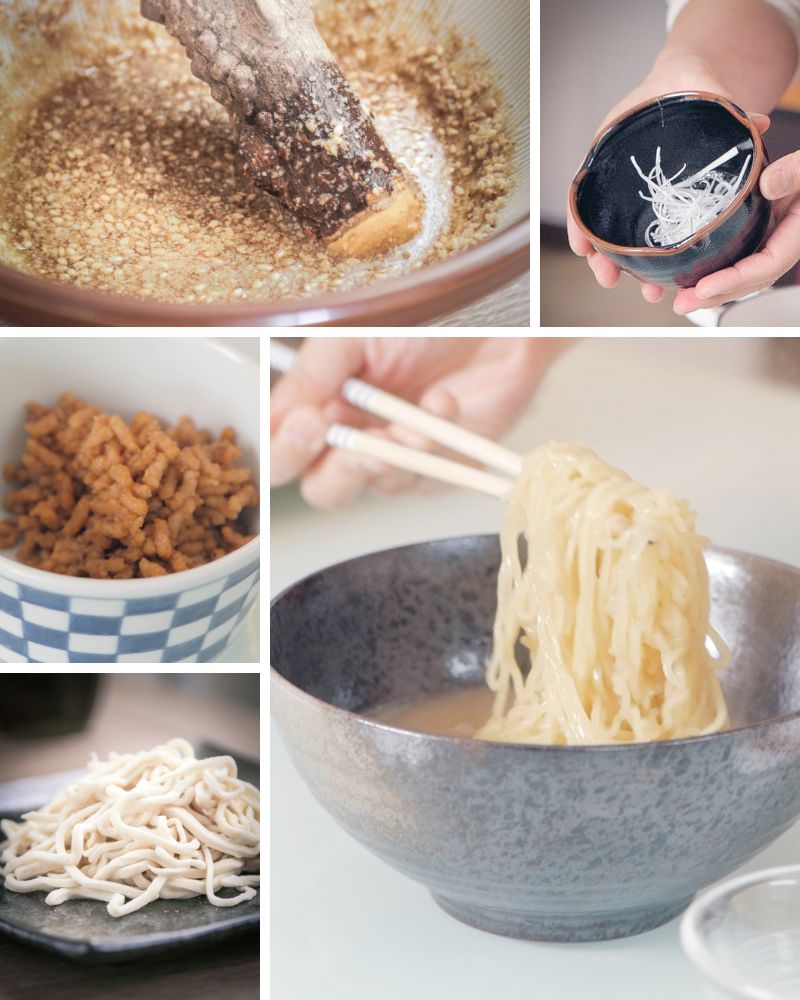
Ramen Noodles: Handmade wheat noodles with a firm, chewy texture. Prepared by kneading, flattening, and cutting dough into fine strips, they are essential for authentic ramen bowls.
Fried Soy Meat: Textured soy protein marinated with soy sauce and sweet miso, then stir-fried until golden. A savory and protein-rich topping for ramen and rice dishes.
Shiraga Negi: Fine julienne strips of leek soaked in water to soften and curl. A classic garnish that adds freshness and crunch to ramen and sushi preparations.
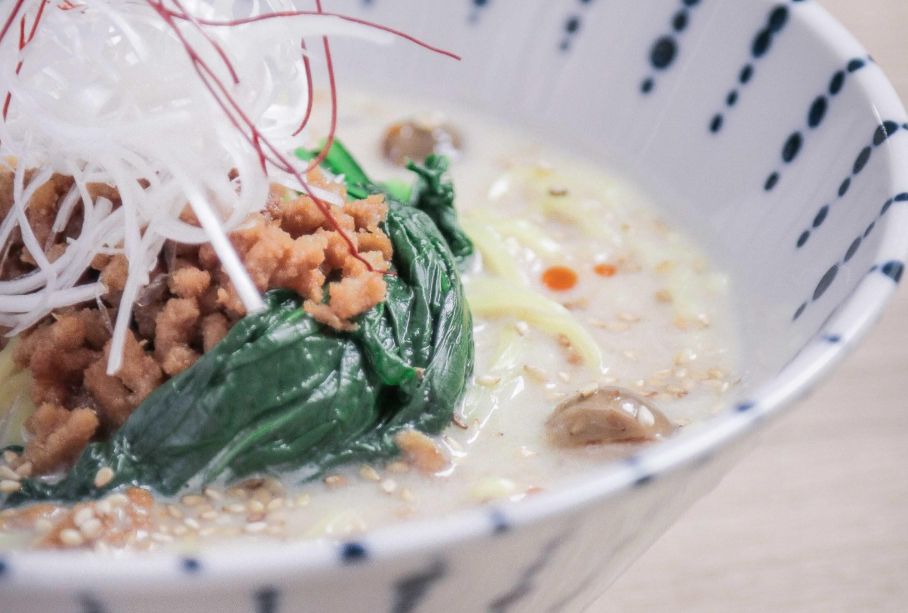
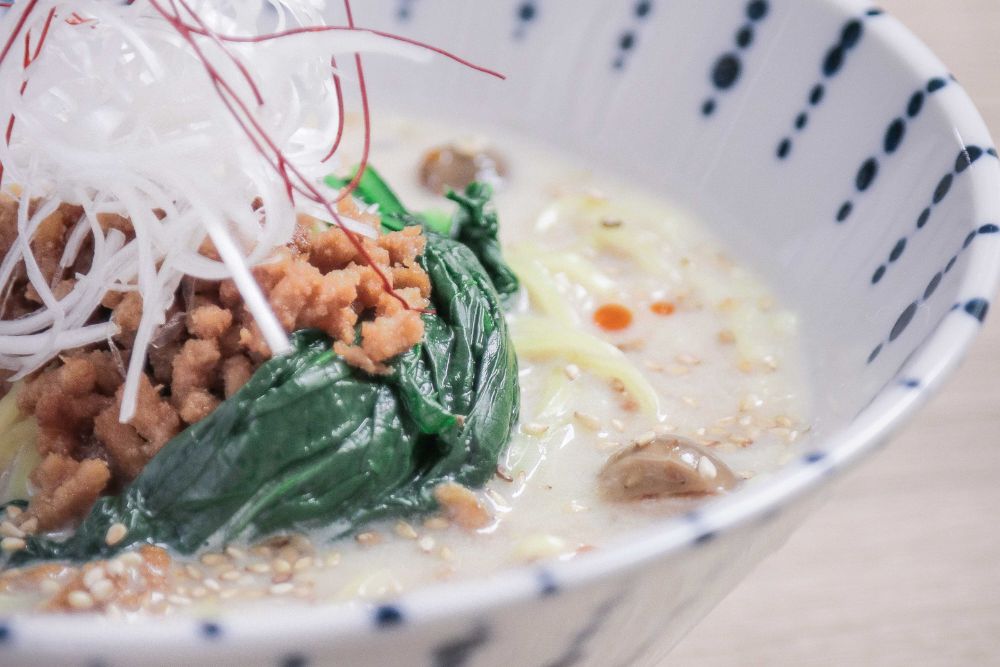
Dandan Ramen: A creamy, spicy noodle soup made with a miso–tahini broth, dashi, sautéed aromatics, soy milk, and shimeji mushrooms. Finished with spinach, soy meat, sesame, chili, and chili oil.
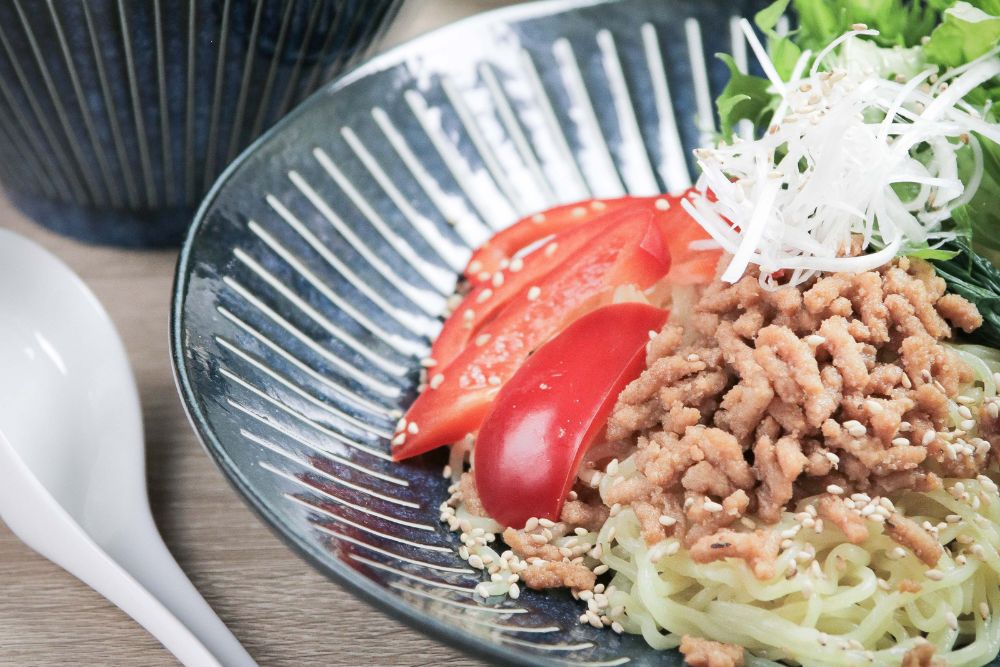
Cold Ramen: Refreshing ramen served chilled with crisp vegetables (mizuna, spinach, bell pepper), fried soy meat, shiraga negi, and sesame. Accompanied by a miso-based dipping broth.
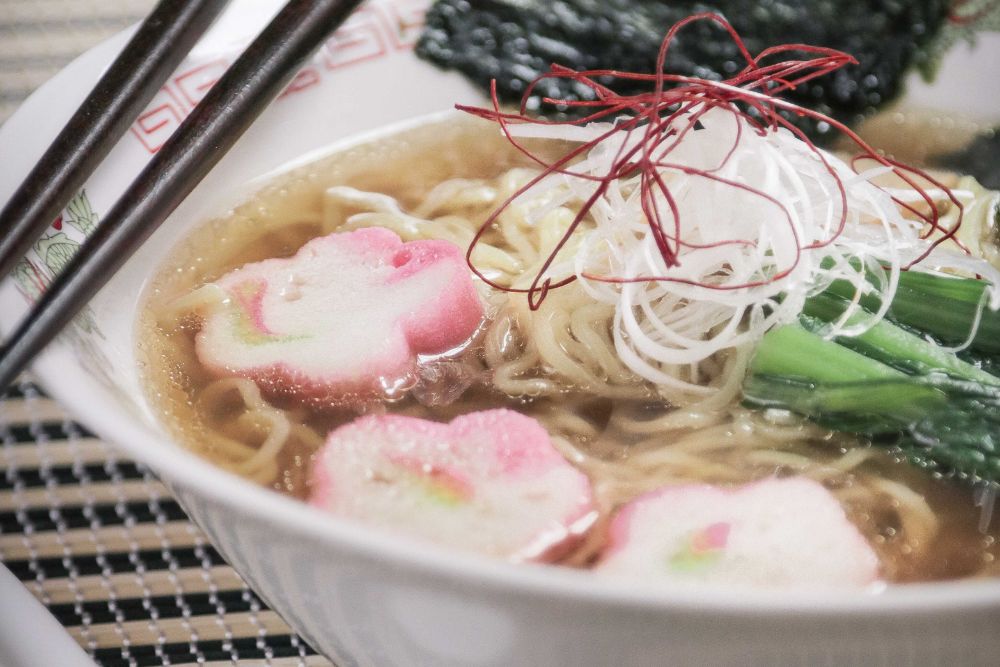
Shoyu Ramen: Soy sauce–flavored ramen with a vegetable dashi broth simmered with onion, garlic, ginger, leek, mushrooms, daikon, and legumes. Topped with spinach, bamboo, chili, nori, and tofu.
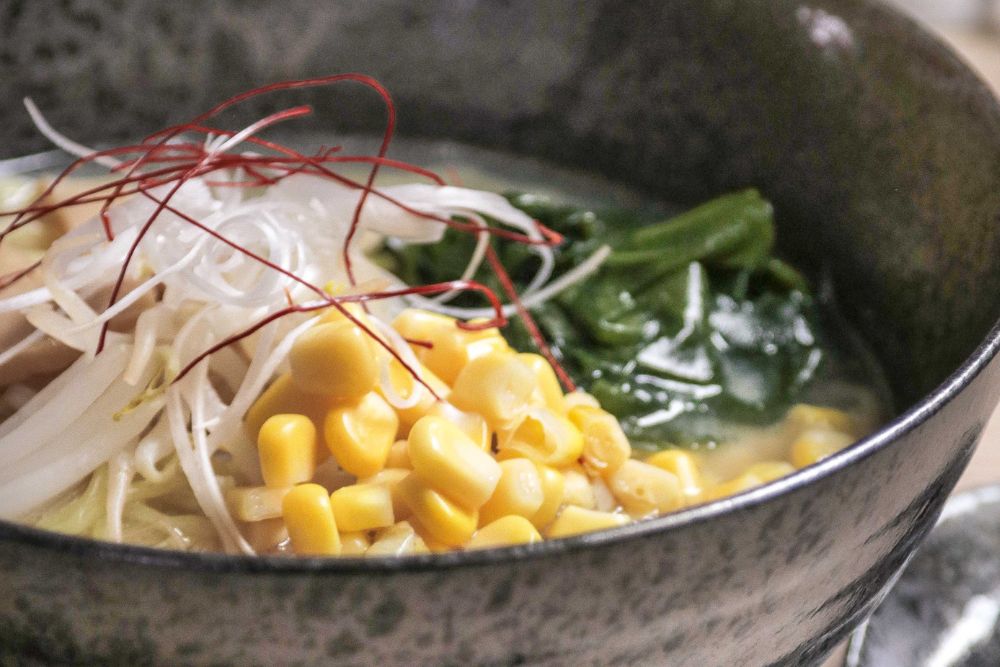
Miso Ramen: A hearty ramen enriched with miso paste, sesame, and soy milk for a creamy broth. Garnished with sprouts, seaweed, bamboo shoots, corn, and chili for depth and balance.
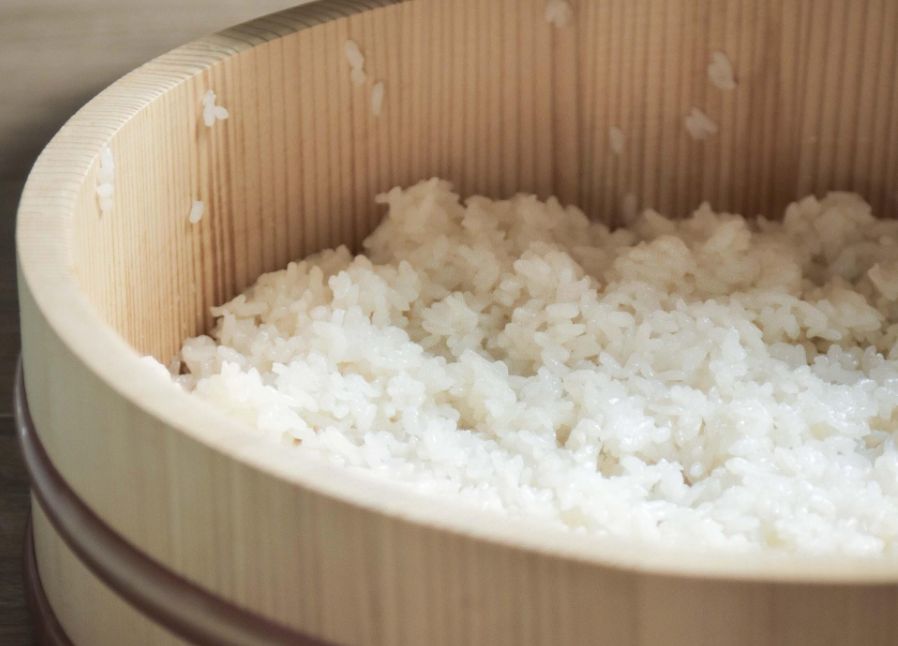
Sushi Rice: Short-grain rice carefully washed, steamed, and seasoned with vinegar, sugar, and salt. This seasoned rice forms the base for all sushi preparations.
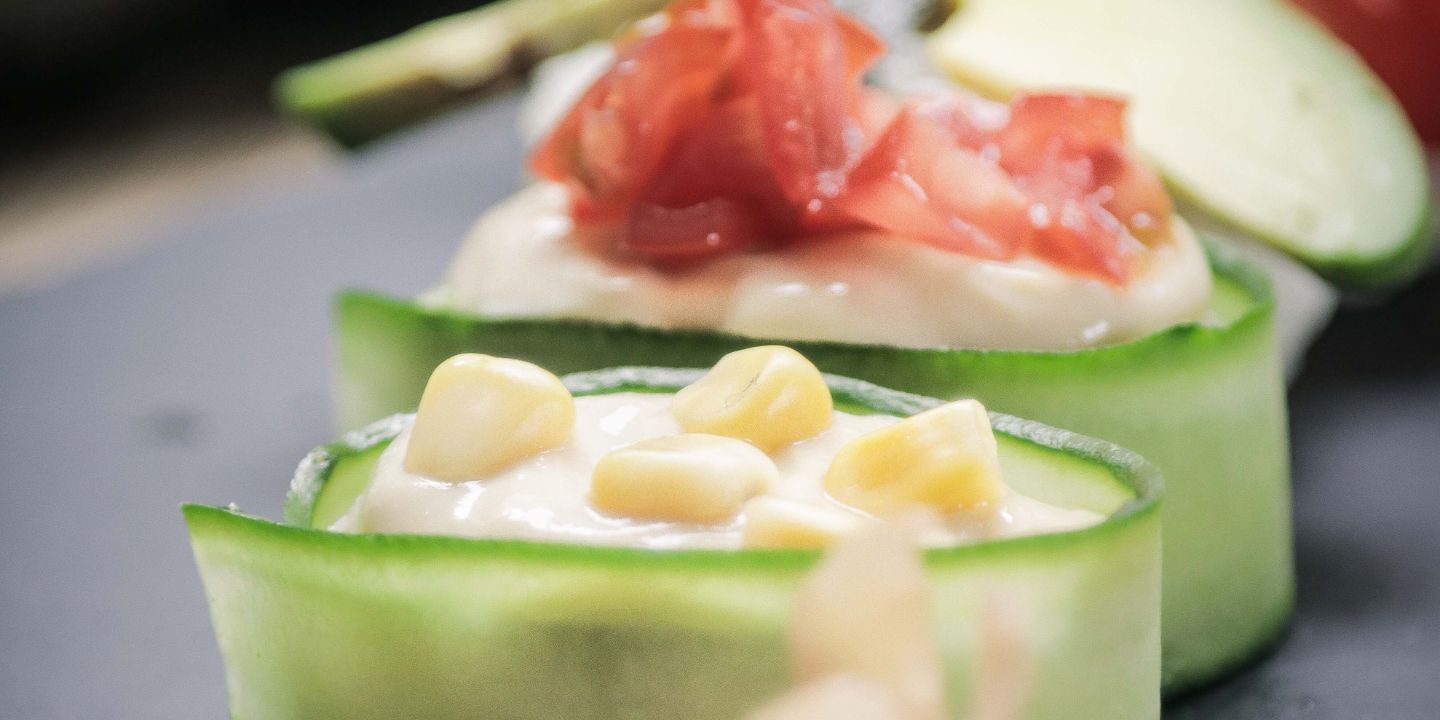
Tofu Mayo: A smooth, plant-based mayonnaise made with blended tofu, miso paste, and vinegar. Used as a creamy condiment in sushi and rolls.
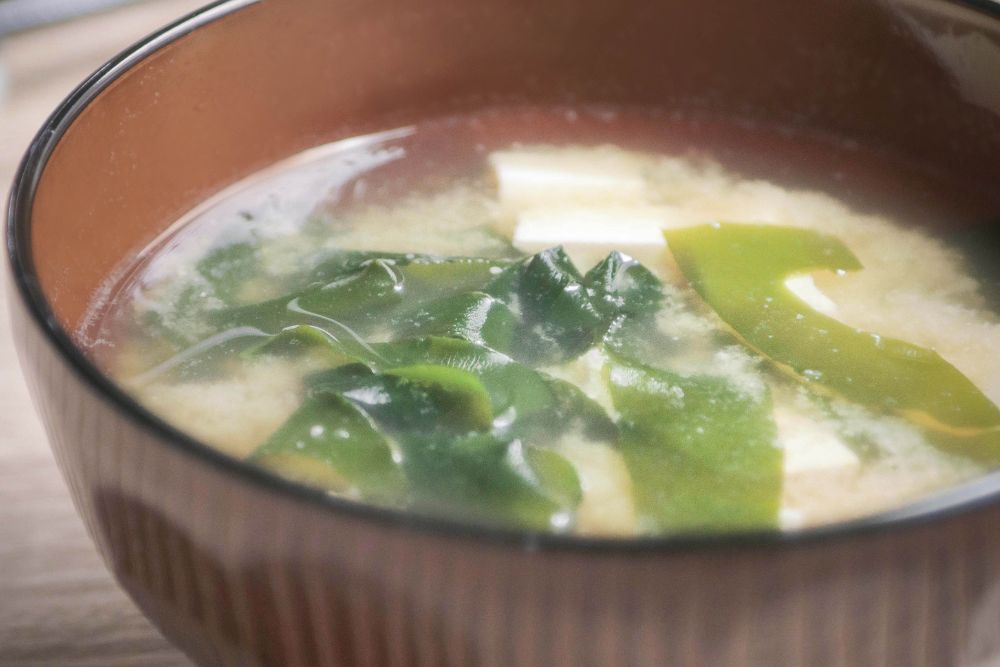
Miso Soup: A comforting soup of dashi, tofu cubes, wakame seaweed, and miso paste. A staple in Japanese cuisine, known for its delicate umami flavor.
Gari (Pickled Ginger): Thinly sliced ginger pickled in vinegar and sugar, lightly blushed with natural color. Served with sushi as a palate cleanser.
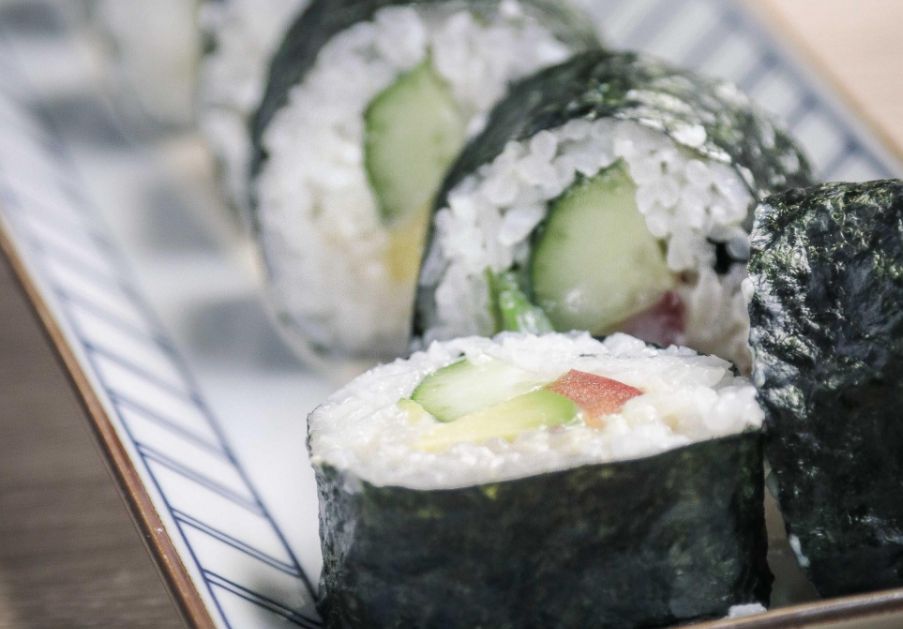
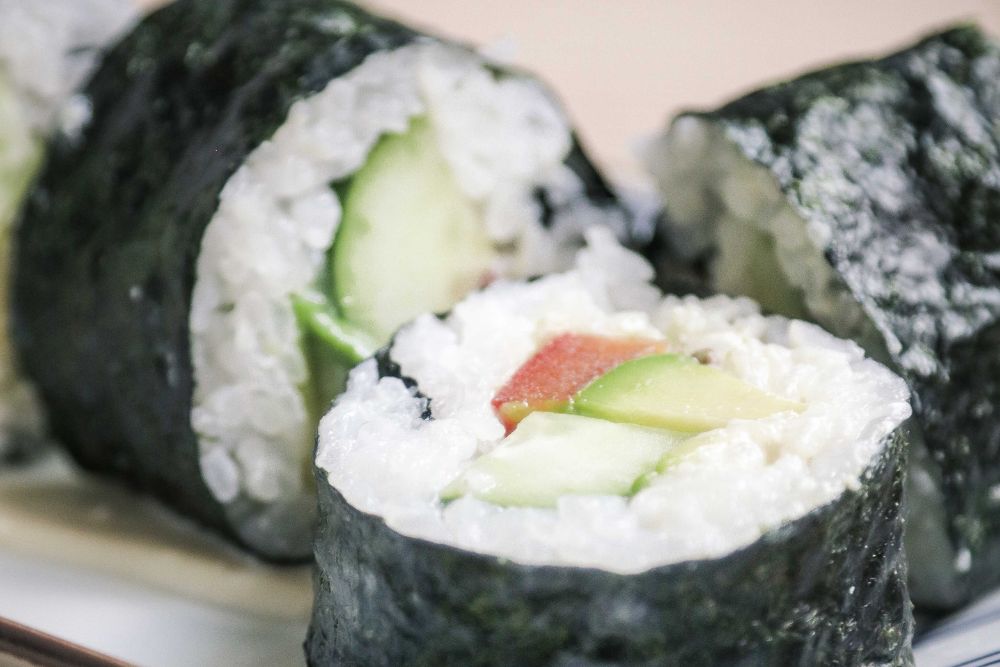
Maki: Traditional sushi rolls of nori filled with seasoned rice, vegetables, tofu mayo, and sesame. Rolled tightly and sliced into bite-sized pieces.
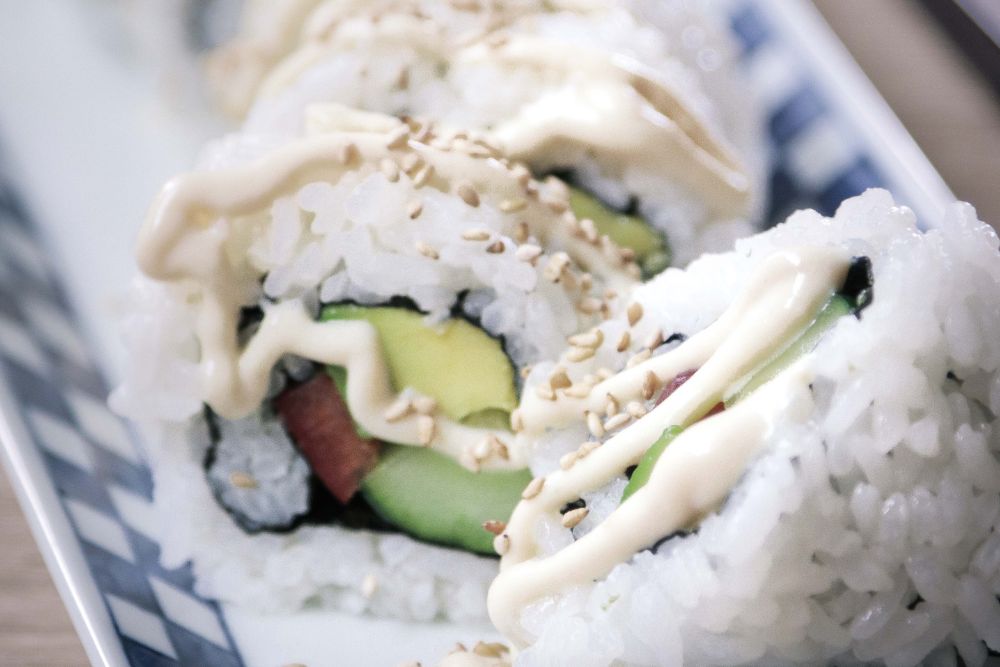
Inside-Out Sushi Rolls: Uramaki style rolls where the rice is on the outside, coated with sesame seeds. Filled with avocado, cucumber, bell pepper, and tofu mayo for a modern sushi twist.
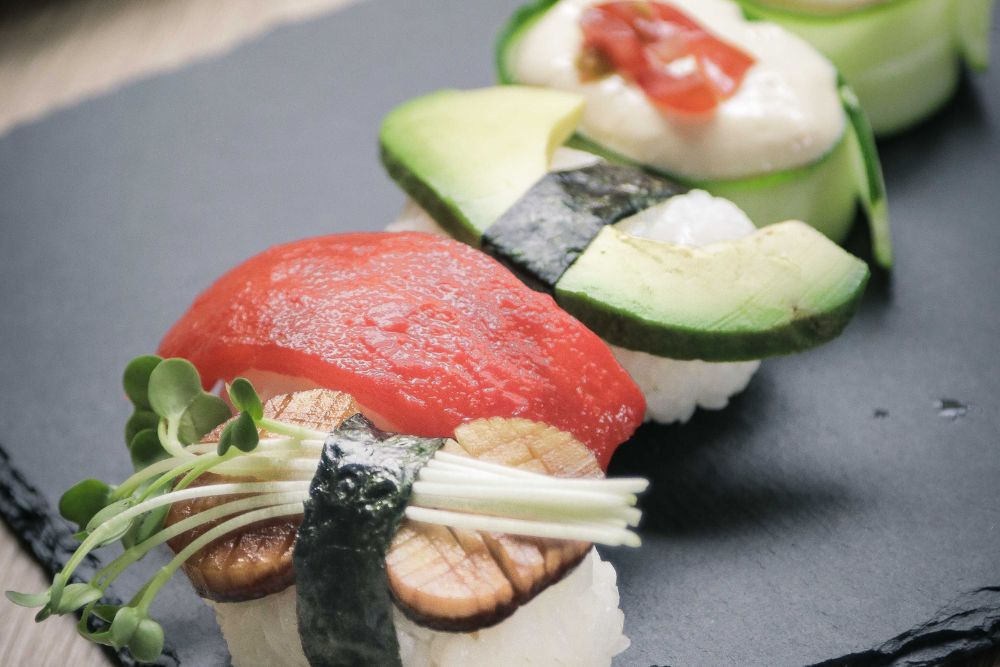
Nigiri and Gunkan: Hand-shaped sushi rice topped or wrapped with plant-based ingredients. Variations include avocado, mushroom, cucumber with tofu mayo, and roasted pepper marinated in dashi and soy.
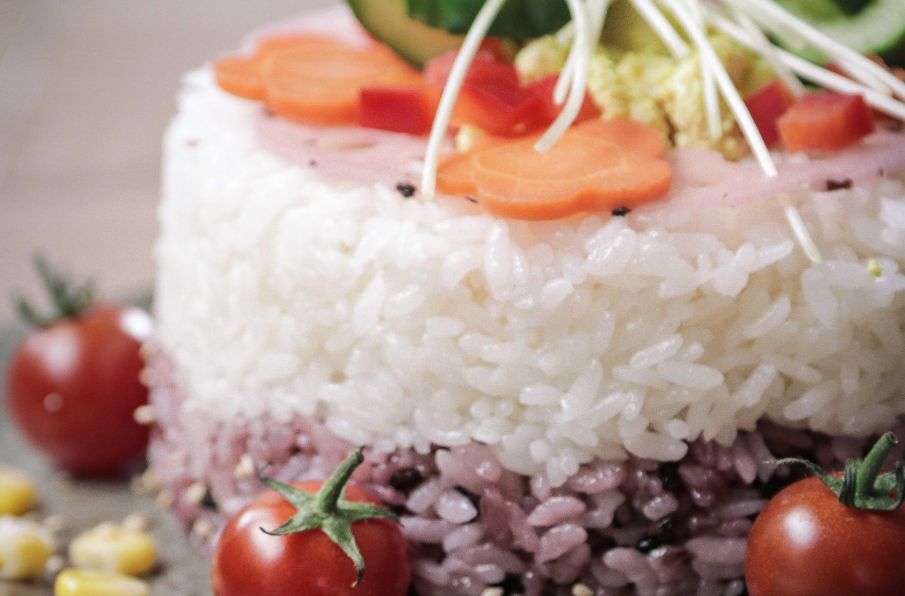
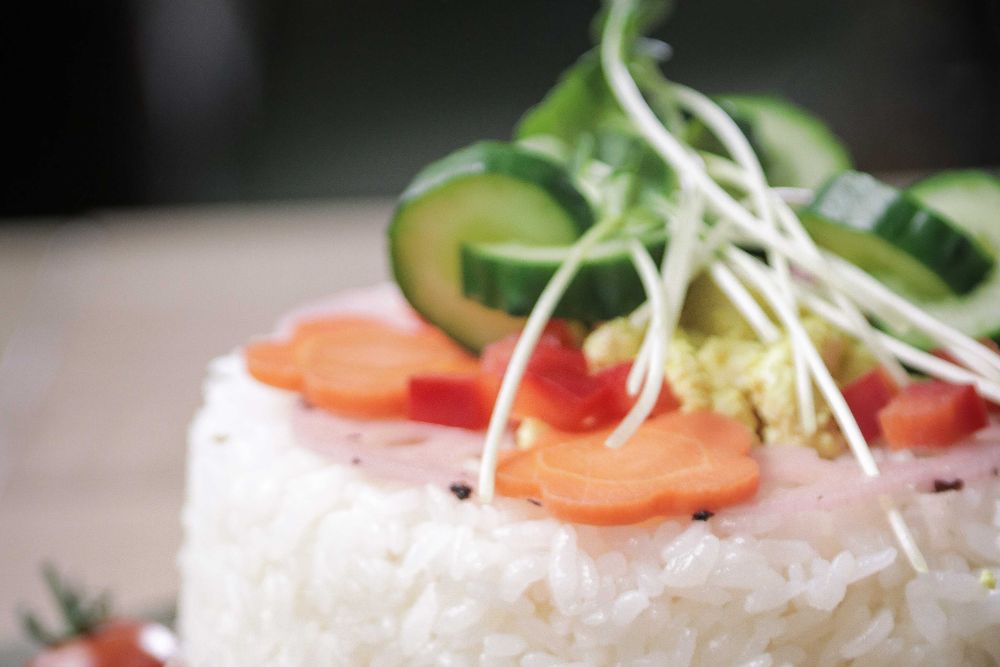
Sushi Cake: A layered sushi creation combining white and black rice with colorful toppings such as tofu scramble, pickled lotus root, carrots, cucumber ribbons, and vegetables. Decorated with sesame, corn, tofu mayo, and cherry tomatoes for a festive presentation.
In addition to recipes, you will also learn techniques that can be used on numerous occasions.
The techniques learnt are:
- Dashi extraction (kombu and shiitake simmering)
- Tofu creams and dips
- Root pickling
- Knife skills: fine slicing
- Noodle dough kneading and cutting
- Sushi rolling
- Inside-out sushi rolling
- Nigiri shaping
- Gunkan wrapping
- Stir-frying and glazing vegetable proteins
Course recipes
In this course you will learn
Meet your Instructor

Owner of BentoYa Cooking School (Tokyo, Japan)
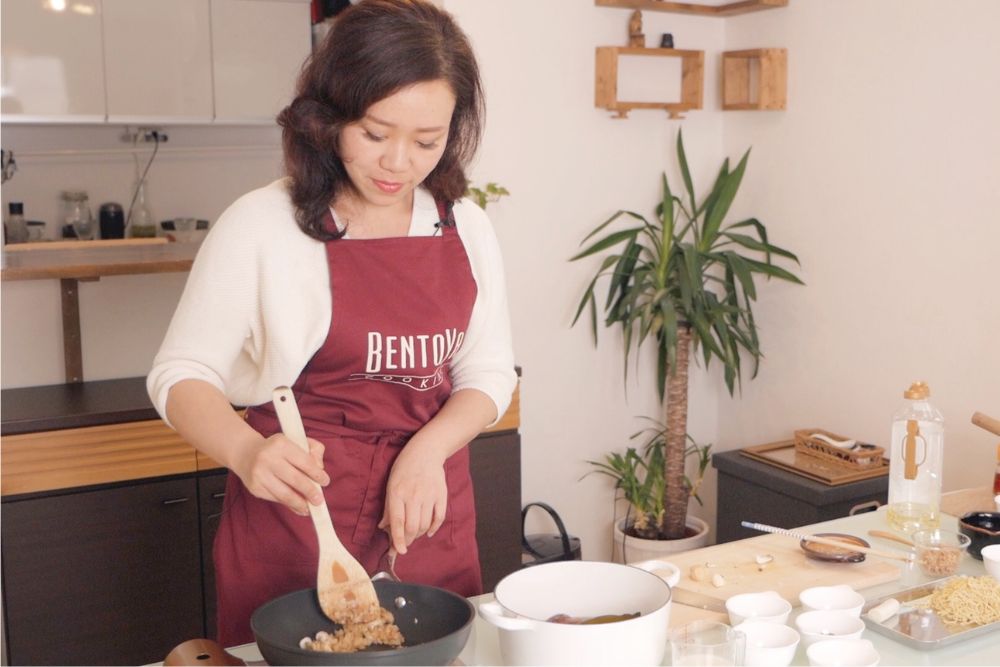
Born and raised in a small village in Japan, Akiko has been immersed in Japanese culinary tradition since childhood. She now co-leads Bentoya Cooking with her partner Rina, offering plant-based Japanese cooking classes in Tokyo and Yokohama.
Earn your certificate and validate your skills
Every course includes a downloadable recipe book
About Scoolinary
- Learn at your own pace. Enjoy learning from home. Set your own schedule.
- Expert Instructors. Each instructor teaches only what she/he does best, conveying true passion and excellence in every lesson.
- Professionally produced courses. We select the best instructors and a professional team produces the course with them.
- Community of Professionals and Foodies. Share your photos, solve doubts, and learn alongside a global community always ready to respond, inspire, and accompany you on this journey
- Earn your Certificate. Demonstrate your course completion with a Scoolinary Certificate
Other courses included in your membership
Never stop learning
Unlimited access to this and ALL Scoolinary courses with your Membership
Got questions? We've got answers
To watch this course, you need to subscribe to Scoolinary. With your membership, you’ll get unlimited access to our entire course catalog. You can subscribe by clicking here.
Yes, you can try a free lesson in each course before subscribing to experience the quality of our content.
All courses are 100% online and in high-quality video format, taught by recognized experts in their field. You can watch them at your own pace from any device and access supplementary materials such as recipes, exercises, and tests.
Yes, if you have a Premium or Team plan, you will receive a certificate upon completing each course. These certificates are backed by Worldchefs and the American Culinary Federation (ACF), prestigious organizations in the culinary world.
You will continue to have access until your subscription period ends.
Scoolinary is the leading online culinary platform for training. We offer a vast catalog of courses in cooking, pastry, mixology, management, and more, taught by renowned chefs and experts. With our flexible methodology, you can learn new techniques and skills and enhance your career from anywhere in the world.
What's included?
- 1h 35 min of HD video (28 lessons)
- 11 recipes
- Recipe book
- 7 Quizzes
- Certificate
Available languages
- Español, English (VO)
- English, Español, Italiano (BETA), Français (BETA), Português (BETA), Deutsch (BETA)
Level
- Beginner
Ratings and Reviews

Don’t have an account?
Signup