-

Viktoria Soloviova ha publicado una actualización
#globalbeanchallenge
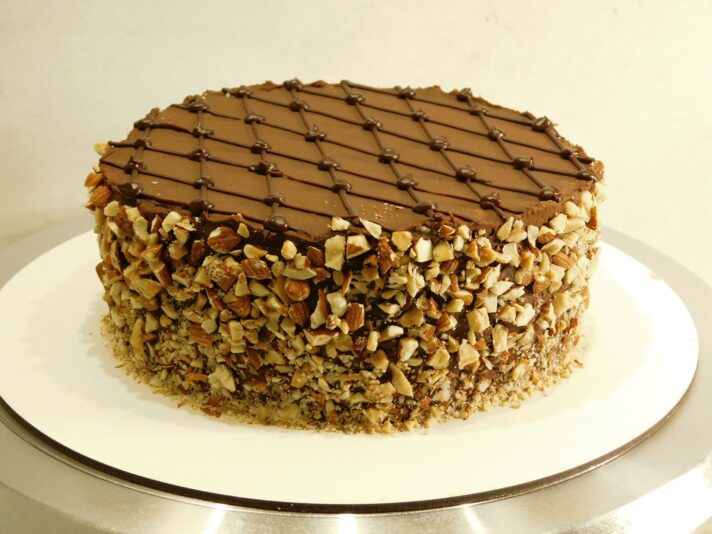
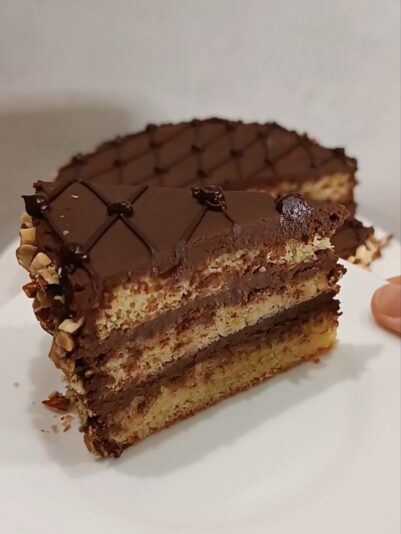
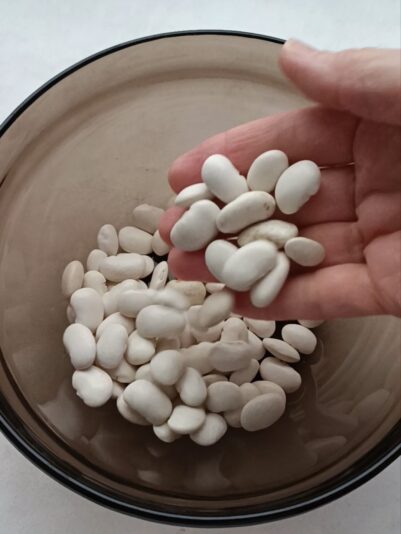
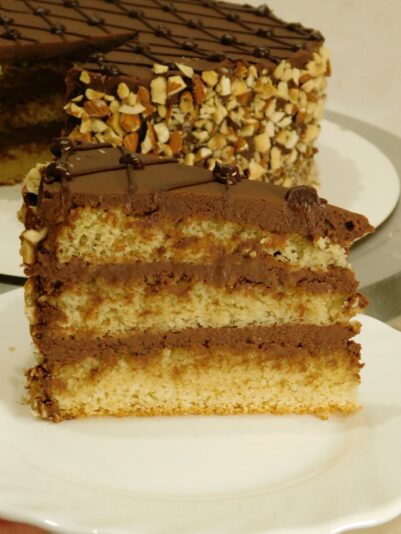
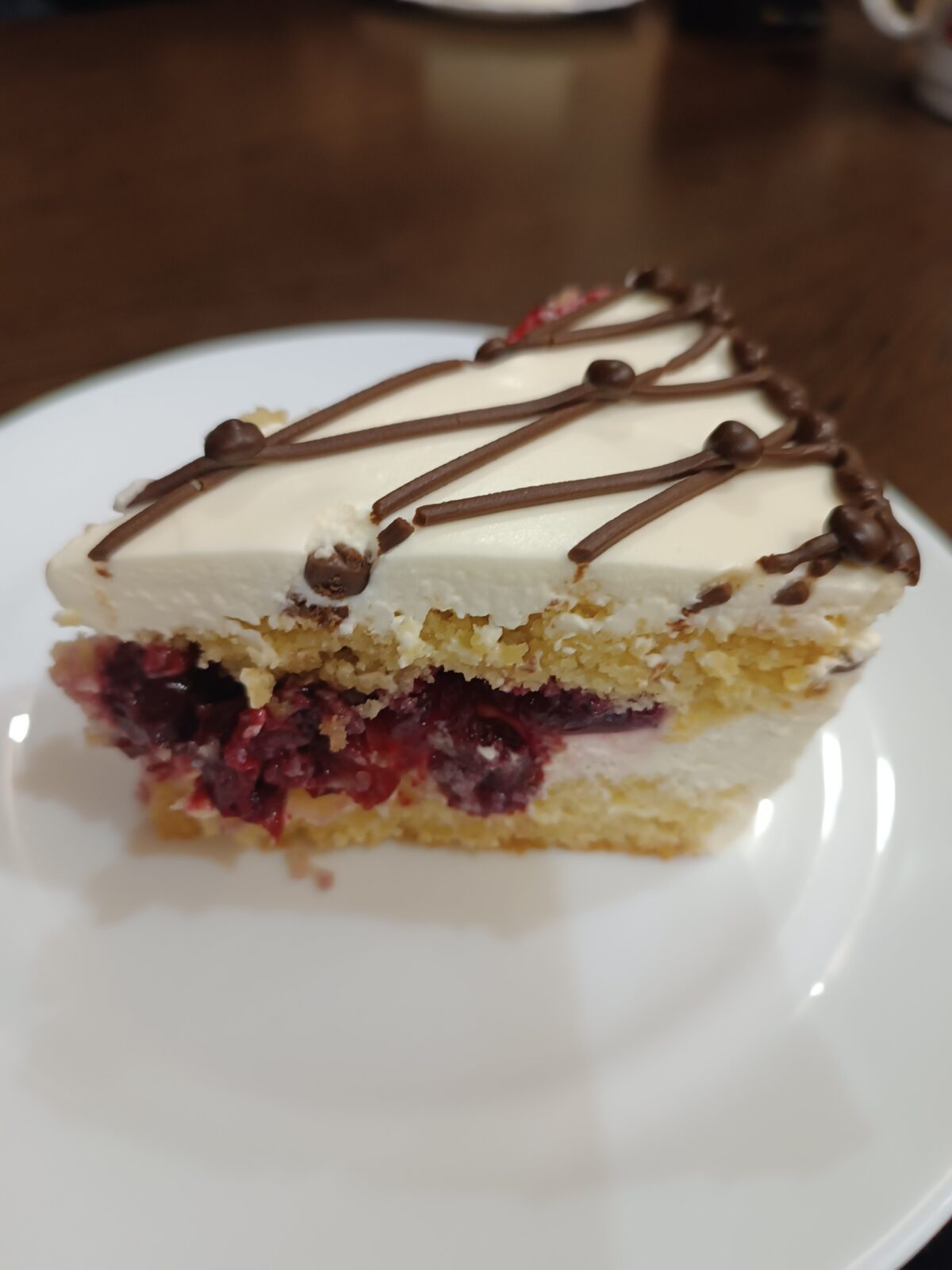
Érase una vez, mi abuela solía hacer tartas dulces de levadura rellenas de alubias blancas. Las alubias siempre formaban parte de la dieta; las de colores se usaban para el borscht. Mientras revisaba recetas antiguas, descubrí una tarta de alubias. Tenía mis dudas de que saliera bien, pero decidí intentarlo de todos modos. Las circunstancias hicieron que tuviera que seguir los pasos de nuestras abuelas y preparar el pastel a mano, sin ningún aparato eléctrico. Había que pelar las alubias hervidas y tamizarlas para obtener harina. Así es como nuestras abuelas elaboraban postres sin gluten cuando nadie sabía aún lo que era. Hice el glaseado del pastel más moderno y ligero, sustituyendo la mayor parte de la mantequilla por nata. Es una experiencia única y, en cierta medida, un resurgimiento de recetas antiguas. Estoy agradecida por este reto y por los recuerdos de la infancia que tanto tiempo he atesorado.
#globalbeanchallenge
Once upon a time, my grandmother made sweet yeast pies with a white bean filling. Beans were always part of the diet, colored beans used for borscht. While going through old recipes, I discovered a bean cake. I had doubts it would work, but I decided to give it a try anyway. Circumstances unfolded that I had to follow in our grandmothers’ footsteps and make the cake by hand, without any electrical devices. Boiled beans had to be peeled and sieved to obtain flour. This is how our grandmothers made gluten-free desserts back when no one knew about it. I made the cake frosting more modern and light, replacing most of the butter with cream. It’s a unique experience and, to some extent, a revival of old recipes. I’m grateful for this challenge and for the long-held childhood memories.
 Traducido del inglés
 Sol Damiani, Réka Horváth y7 más10 Comentarios
-
 Level:
 Executive Chef
Tiene muy buena pinta. Enhorabuena.
-
Thank you 🙂
-
-
Tiene aspecto de estar riquísimo. Como celiaca, me interesa mucho este tipo de recetas dulces sin glúten. ¿Cómo has conseguido una masa aireada? Muchas gracias.
-
Gracias🙂 ¡No me esperaba un resultado así! Cogí 300 gr de alubias, las herví, las pelé, las sequé y las molí hasta convertirlas en harina. Batí las 7 claras de huevo (250-260 gr) con 150 gr de azúcar, añadí las yemas e incorporé con cuidado la harina de alubias y 50 gr de harina de almendra. Horneé a 160-170 °C. Me salieron dos capas de bizcocho; solo utilicé una, que corté en tres trozos.
Thank you🙂 I didn’t expect such a result! I took 300 gr of beans, boiled them, peeled them, dried them, and ground them into flour. I beat the 7 eggs whites (250-260 gr) with 150 gr sugar, added the yolks, and carefully folded in the bean flour and 50 gr of almond flour. Bake at 160-170C. I got 2 cake layers; I only used one, cutting it into 3 pieces.
hace una semanaTraducido del inglés
-
Muchas gracias por tu ayuda!
1
-
-
-
Level:
Executive Chef
Que delicia😍
-
Muchas gracias
-
-
Level:
Scoolinary Team
Viktoria, me encanta cómo este reto te ha llevado de vuelta a tus raíces culinarias ucranianas, al tiempo que te ha animado a explorar nuevas posibilidades en la repostería. Preparar las alubias totalmente a mano hace que esta experiencia sea aún más significativa. El corte transversal muestra capas bien definidas, y las almendras aportan un interesante contraste de texturas. Tengo curiosidad por saber cómo funcionan las alubias blancas como base para un bizcocho: ¿cómo compararías la humedad, la textura y el sabor con los de un bizcocho convencional a base de harina? Incorporar los conocimientos tradicionales a la cocina contemporánea es una forma maravillosa de mantenerlos vivos. ¡Gracias por compartir con nosotros un pedacito de tu historia familiar! ❤️
Level:
Scoolinary Team
Viktoria, I love how this challenge has brought you back to your Ukrainian culinary roots while encouraging you to explore new possibilities in pastry. Preparing the beans entirely by hand makes this experience even more meaningful. The cross-section shows well-defined layers, and the almonds add an interesting textural contrast. I’m curious about the white beans as a cake base: how would you compare the moisture, texture, and flavor with those of a conventional flour-based sponge? Bringing traditional knowledge into contemporary cooking is a wonderful way to keep it alive. Thank you for sharing a little piece of your family history with us! ❤️
hace 2 díasTraducido del inglés
-
Muchísimas gracias ♥️. Me preocupaba que el bizcocho supiera a alubias, así que elegí a propósito crema de chocolate. Las capas se mantuvieron bien unidas y no se notaba para nada el sabor a alubias. Incluso mi hijo se comió la mitad del pastel, aunque al principio se negaba. A diferencia de las capas a base de harina, me parecieron un poco más secas, así que para el segundo bizcocho elegí un glaseado de queso crema y las empapé un poco. La estructura de las capas empezó a desmoronarse, pero, en general, la crema las mantuvo unidas y tampoco se notaba el sabor a alubias. ¡Fue un experimento culinario estupendo!
Thank you so much ♥️. I was worried the sponge cake would taste like beans, so I deliberately chose chocolate cream. The layers held together well, and there was no bean flavor at all. Even my son ate half the cake, although he initially refused. Unlike the flour-based layers, I thought they were a bit drier, so for the second sponge cake, I chose cream cheese frosting and soaked them a little. The structure of the layers began to fall apart, but overall, the cream held them together, and the bean flavor was also absent. It was a great culinary experiment!
hace 2 díasTraducido del inglés
-
-
-