-

Beatriz Torija ha publicado una actualización
Level: Executive Chef
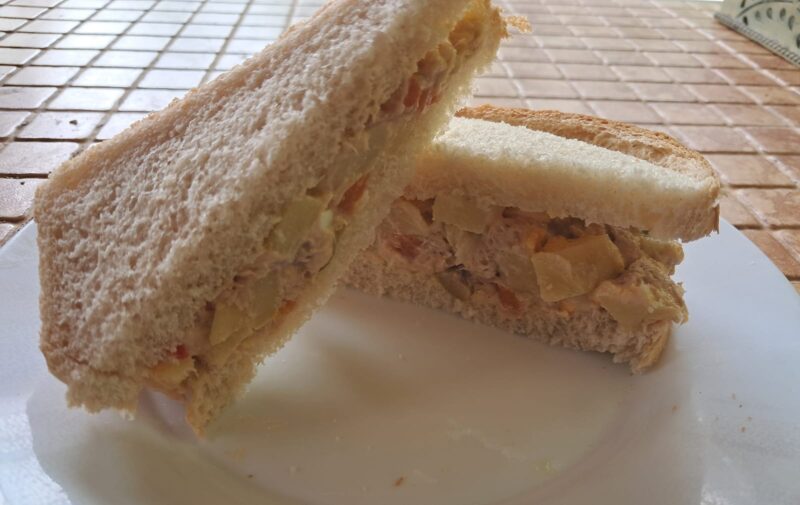
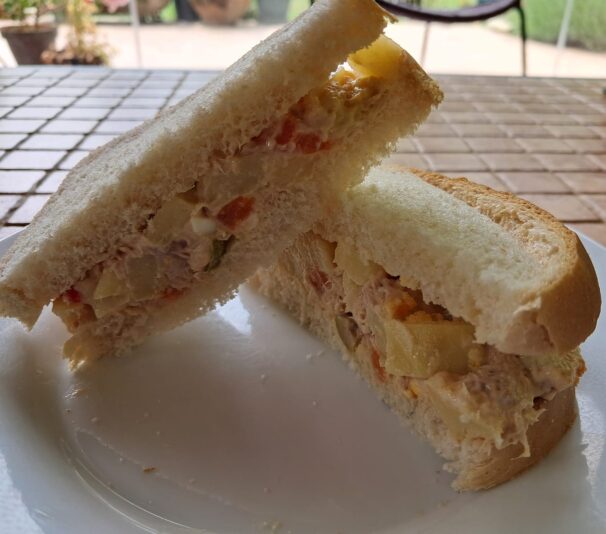
La ensaladilla rusa también se puede tomar en sandwich… Yo lo hago cuando tengo sobras de ensaladilla del día anterior, para almorzar a media mañana, o también para comer cuando tengo mucho trabajo y no puedo no levantarme de delante del ordenador, o lo preparo para llevatmr y comer en un tren 😅

 CHEF SHELLY, Paola Alachio y7 más10 Comentarios
-
 Level:
Sous Chef
Qué buena pinta tiene 😍 Me encanta la idea de convertir las sobras de ensaladilla rusa en un sándwich. Dime, ¿cómo sueles preparar la ensaladilla rusa?
Level:
Sous Chef
That looks so good 😍 I love the idea of turning leftover Russian salad into a sandwich. Tell me, how do you usually make your Russian salad?
1hace al añoTraducido del inglés
-
Level:
Executive Chef
@lanamihajlovic patata, zanahoria y huevo, cocidos. Guisantes, pimiento rojo morrón de lata, atún, aceitunas verdes, espárragos blancos, sal y mayonesa. …creo que no me olvido de nada. ¿Tiene algo que ver con vuestra ensaladilla rusa, o completamente diferente?
1-
Level:
Sous Chef
@beatriztorijagmail-com En Croacia, por razones desconocidas, llamamos a esta ensalada ensalada francesa (aunque no tenga nada que ver con Francia), mientras que en Serbia se llama ensaladilla rusa. Los ingredientes básicos son patatas, zanahorias, guisantes, huevos cocidos, pepinillos y mayonesa. En mi versión, me gusta añadir un poco de mostaza y nata agria. En la versión serbia (más original), también se añade jamón. En algunas versiones, también se añade manzana ácida, pero no es mi elección. Además, la versión serbia de la ensalada es más espesa que la croata.
Este año tuve la oportunidad de probar la versión rusa (originalmente, esta ensalada se llama Salad Olivye), que me prepararon mis amigos rusos. La única diferencia con la serbia es que utilizaron ingredientes auténticamente rusos, por lo que el sabor era algo distinto y no exactamente al que estamos acostumbrados.
Personalmente, en general no me gusta poner carne en la ensaladilla rusa porque la uso sobre todo como guarnición, y no tiene mucho sentido comer carne con carne (aunque los serbios seguro que no estarían de acuerdo conmigo 😂).Había oído hablar de la versión española de la ensaladilla rusa (Ensaladilla rusa), pero nunca supe muy bien qué llevaba. Es realmente genial comparar estas diferencias y aprender más sobre cómo ha evolucionado la ensaladilla en los diferentes países.
Level:
Sous Chef
@beatriztorijagmail-com In Croatia, for unknown reasons, we call this salad French salad (even though it has nothing to do with France), while in Serbia it’s called Russian salad. The basic ingredients are potatoes, carrots, peas, boiled eggs, pickles, and mayonnaise. In my version, I like to add a bit of mustard and some sour cream. In the Serbian version (more original), ham is also added. In some versions, people also add sour apple, but that’s not my choice. Also, the Serbian version of the salad is thicker than the Croatian version.
This year I had the chance to try the Russian version (originally, this salad is called Salad Olivye), which my Russian friends prepared for me. The only difference from the Serbian one was that they used authentic Russian ingredients, so the taste was somewhat different and not exactly what we’re used to.
Personally, I generally don’t like putting meat in Russian salad because I use it mostly as a side dish, and it doesn’t make much sense to eat meat with meat (though Serbs would definitely disagree with me 😂).I’d heard of the Spanish version of Russian salad (Ensaladilla rusa), but I never really knew what went into it. It’s really cool to compare these differences and to learn more about how the salad has evolved in different countries.
hace al añoTraducido del inglés
-
Level:
Executive Chef
@lanamihajlovic jejeje es realmente curioso el nombre de un plato casi igual en diferentes sitios.
Por cierto, ahora que lo mencionas, la nuestra también lleva guisantes, me olvidé de ellos 😅
1
-
-
Level:
Sous Chef
@beatriztorijagmail-com The Spanish version of Russian salad, known as ensaladilla rusa, appeared in Spain in the early 20th century. It was inspired by the original Russian Salad Olivye, which spread across Europe. Over time, Spaniards adapted it to local tastes, replacing meat with tuna and adding ingredients typical of their cuisine, like roasted red peppers, green olives, and sometimes asparagus. It eventually became a staple tapas dish and is now considered a classic of Spanish cuisine, despite its foreign name.
1
-
-
-
Level:
Sous Chef
Muy buena idea para aprovecharla
1 -
Level:
Executive Chef
Jajajaaa yo también la aprovecho así, me la ceno o a media mañana en un sándwich
1 -
Es como el sándwich de pollo que hacen por Andalucía, aunque yo lo pervierto poniéndole huevo frito con faldilla y salsa louisiana😅 tienen muy buena pinta🍞
-
Level:
Executive Chef
@vanessa-macarro-garcia ummm, pollo, huevo y salsa louisiana… eso suena muy bien
1
-
-
lunch!
1
-