-


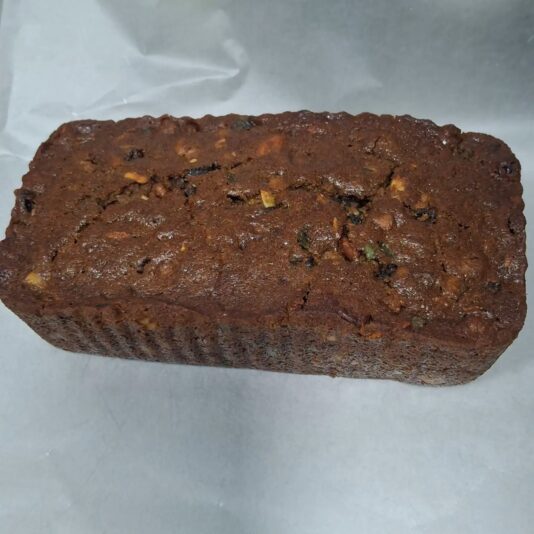
This month I’ll be making a few Patagonian black cakes. I finished this one, let it cool, and today I wrapped it in paper and then in plastic wrap so I can let it rest for a month in the refrigerator. These black cakes are very famous in my country and are found in the Welsh communities. The Welsh brought them there around 1865, when they settled in Argentina. They were fleeing the English, who had forbidden them from practicing their customs, religion, and language in their homeland. There are several of these colonies, and believe it or not, Welsh is still spoken there, and their tea houses are very famous. Thus, the Welsh black cake is a symbol of resistance, tradition, and cultural unity in Argentine Patagonia.
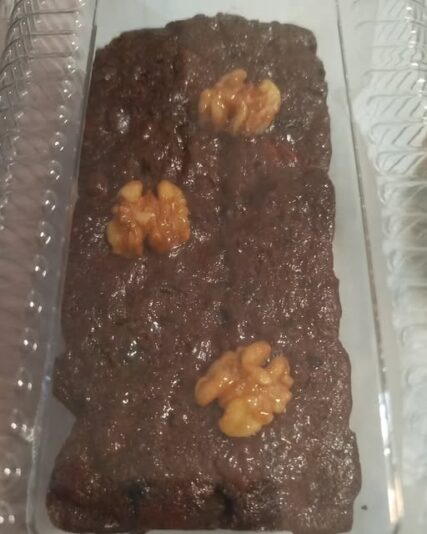
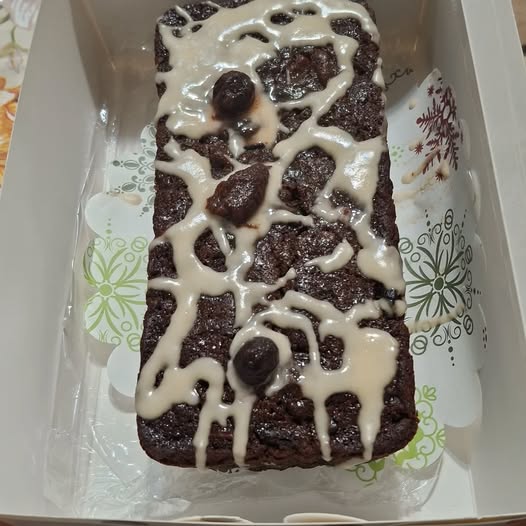
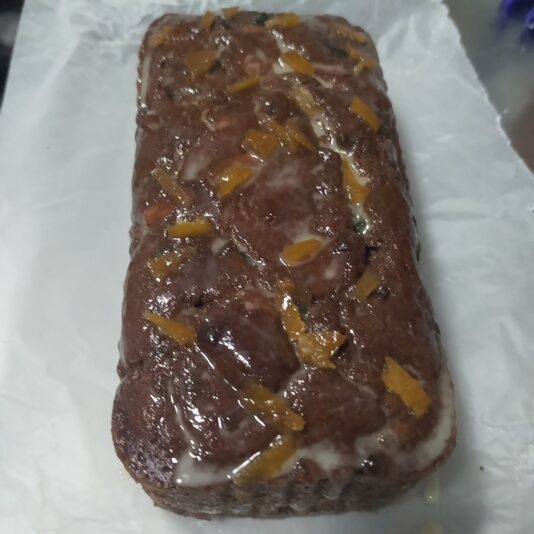
That’s how they adapted a traditional Welsh spice bread recipe (Teissen Ddu), loading it with nuts, spices, raisins, and brown sugar—ingredients that could withstand long journeys and provided a great deal of energy. It’s a cake that, as time goes by, gets better and richer—just like Stollen 🙂 It’s a long-standing tradition to serve it at weddings and important celebrations, where a slice is usually set aside for the couple’s first anniversary—and for subsequent anniversaries, too, if they haven’t eaten it by then. Every family has its own recipe, and well, a friend passed mine down to me. Once a month has passed and I’m ready to deliver it to my customers, I add a layer of glaze. I make mine with whiskey, but if it’s for kids, I use orange or tangerine. This cake can be made with whiskey, bourbon, or cognac. The flavor is incredible. Last year, I added fruit from my red berry liqueur to the cakes… it turned out amazing 🙂 You can also decorate them with nuts and a very light, almost colorless glaze, like a glossy finish. I also made another one with a whiskey glaze and citrus zest soaked in liqueur.
I know they also make their own “Torta Negra” in Venezuela. Was it the Welsh who brought it there? If anyone is from Venezuela, please let me know.
Do they make this cake—or a similar one—in your country too?
En este mes estaré haciendo unas cuantas tortas negras patagónicas. Esta la terminé, enfrié y hoy ya la envolví con papel y luego con film plástico para dejarla descansando un mes en refrigeración. Estas tortas negras son muy famosas en mi país y se encuentran en las colonias galesas. Ellos las trajeron allí por 1865, cuando se afincaron en Argentina. Escapaban de los ingleses que en sus tierras les habían prohibido practicar sus costumbres, religión e idioma. Sus colonias son varias y aunque no lo crean, aún se habla galés y sus casas de té son muy famosas. Entonces, la torta negra galesa es un símbolo de resistencia, tradición y unión cultural en la Patagonia argentina.
Fue así como adaptaron una receta tradicional galesa de pan de especias (Teissen Ddu), cargándola de frutos secos, especias, pasas y azúcar negra, ingredientes que aguantaban largos viajes y aportaban una gran cantidad de energía. Es una torta que, a pesar de pasar el tiempo, se va poniendo cada vez mejor y más rica, al igual que el Stollen 🙂 Es toda una tradición servirla en bodas y celebraciones importantes, donde se suele guardar una porción para el primer aniversario de los novios y también más aniversarios si no se la comen antes. Cada familia tiene su receta propia y bueno, la mía me la pasó una amiga. YA cuando pasa el mes y paso a entregarla a mis clientes, le doy una capa de glaseado. Yo ho hago con whisky, pero si es para niños, lo hago con naranja o mandarina. Esa torta puede llevar Whisky, Boubon o Cognac. Es increíble su sabor. a las del año pasado les puse fruta de mi licor de frutos rojos…quedó una locura 🙂 También se les puede decorar con nueces y un glaseado muy suave, casi incoloro, como brillo. Otra también la hice con un glaseado de Whisky y cascaritas de citricos en licor.
Sé que en Venezuela también hacen su propia Torta negra. También han sido galeses los que la han llevado? Si hay alguien de Venezuela, me cuenta por favor.
En tu país hacen también esta torta u otra similar?
 Translated from Spanish
 ivana saiz, Beatriz Torija and 2 others6 Comments
-
Level:
 Scoolinary Team
What a lovely story behind this cake, Lau! 🙂 I actually had the pleasure of trying one last December. I live in Buenos Aires, and they’re not that common around here, but a friend who moved to Rawson brought one to share. I remember being really surprised by the flavor, especially that distinctive intensity of the spices. It was quite an experience.
I find it really interesting how each family adapts the recipe and how the resting period transforms the flavors. Have you ever compared how the texture and flavor evolve after two weeks and after a month? History and tradition in a single dish!Level:
Scoolinary Team
¡Qué bonita historia hay detrás de esta torta, Lau! 🙂 Justamente tuve el gusto de probar una en diciembre del año pasado. Vivo en Buenos Aires y por aquí no son tan habituales, pero una amiga que se mudó a Rawson trajo una para compartir. Recuerdo que me sorprendió muchísimo su sabor, especialmente esa intensidad de especias tan particular. Fue toda una experiencia.
Me parece muy interesante cómo cada familia adapta la receta y cómo el reposo va transformando los sabores. ¿Has probado comparar cómo evoluciona la textura y el sabor después de dos semanas y después de un mes? ¡Historia y tradición en un solo plato!
12 weeks agoTranslated from Spanish
-
@soldamiani Yes, the flavors get more intense. I use quite a few spices, and as time goes by, it gets even more delicious… Honestly, between the Stollen, the black cake, and the panettone, I’m a very happy little chubby girl, hahaha. Some people add chocolate—I don’t. Some people use eggs, but then it doesn’t keep for very long, and the authentic recipe shouldn’t include eggs or milk.
@soldamiani Si, los sabores se intensifican. Uso bastantes especias y con el paso del tiempo se va poniendo cada vez más rica.. La verdad que entre el Stollen, la torta negra y los panettones, soy una gordita muy feliz jajajaja HAy gente que le agrega chocolate, yo no. HAy gente que usa huevo, pero eso ya no es guardable por mucho tiempo y la receta real no debe llevar huevo ni leche
2 weeks agoTranslated from Spanish
-
Level:
Scoolinary Team
@laupet2000gmail-com Hahaha. What matters is happiness.
Level:
Scoolinary Team
@laupet2000gmail-com jajajaja Lo importante es la felicidad
12 weeks agoTranslated from Spanish
-
-
-
I’d love to try them!
Me encantaría probarlas !
12 weeks agoTranslated from Spanish
-
So delicious!!
Una delicia!!
12 weeks agoTranslated from Spanish
-
This looks so delicious! 🙂 And yes, this is a huge thing in the United Kingdom still – actually they do this in the rest of the UK, too, although many times with other fruit breads! I am quite sad about the distance, because based on looks and description alone I would really like to taste your version!! 🙂
1
-