-

Katie Laverick posted an update
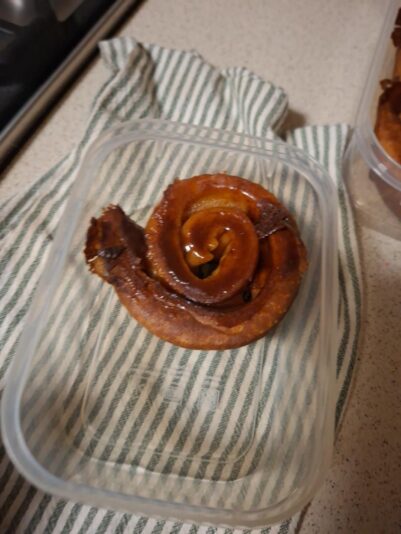
When your first attempt looks like this, burnt and the cinnamon filling melted everywhere. Non gluten free version
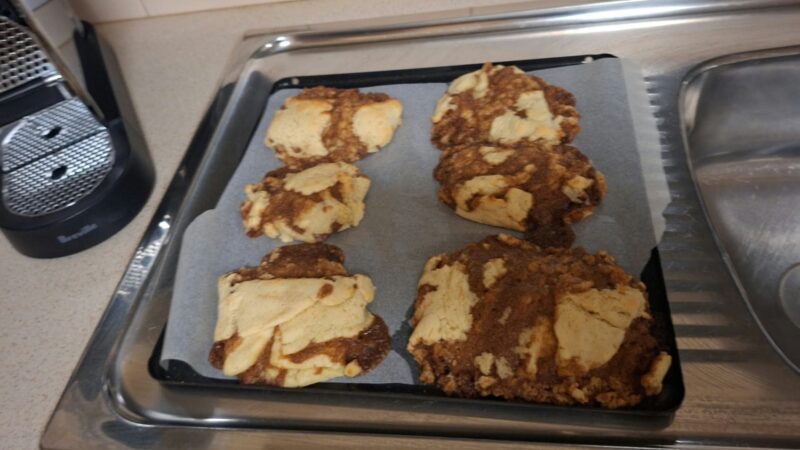
To then have your second attempt the gluten free version just turn into slops, it all looked really good until the rolling stage.
 Mercedes Delgado de Miguel3 Comments
-
 Level:
 Scoolinary Team
Welcome to Scoolinary, Katie! And don’t let these first two attempts discourage you—cinnamon rolls are a great way to learn how to read dough, not just follow a recipe. In the first batch, the filling spreading and darkening could be due to the oven temperature, but also to butter that was too soft or a roll that wasn’t tight enough. For the gluten-free version, temperature matters even more: if the dough gets too warm, it can become very soft and difficult to roll.
For your next attempt, try changing just one variable: chill the dough briefly before rolling and keep the filling soft but not melted. Then compare how well it holds its shape. With the gluten-free dough, rolling it between sheets of parchment paper can also give you much more control. How did the dough feel right before rolling—sticky, very soft, or already difficult to lift? That detail could help pinpoint what went wrong. Keep experimenting; this second attempt is already providing you with useful information for the third.
Level:
Scoolinary Team
Welcome to Scoolinary, Katie! And don’t let these first two attempts put you off, cinnamon rolls are a great exercise in reading dough, not just following a recipe. In the first batch, the filling spreading and darkening could be linked to oven temperature, but also to butter that was too soft or a roll that wasn’t tight enough. For the gluten-free version, temperature matters even more: if the dough gets too warm, it can become very soft and difficult to roll.
For your next attempt, try changing just one variable: chill the dough briefly before rolling and keep the filling soft but not melted. Then compare how well it holds its shape. With the gluten-free dough, rolling it between sheets of baking paper can also give you much more control. What did the dough feel like just before rolling: sticky, very soft, or already difficult to lift? That detail could help pinpoint what happened. Keep experimenting, this second attempt is already giving you useful information for the third.4 days agoTranslated from Spanish
-
Thankyou, I had a lot more hope before having to attempt the gluten-free.
She was accidentally due to uncontrollable circumstances left on the bench in the kitchen uncovered after being rolled for close to 45 minutes. I used baking paper underneath the dough when rolling. She wasn’t sticky, very soft and fragile, ripped very easily and not stretchy like the normal non gluten free one. -
Level:
Sous Chef
Hi Katie, mistakes and slip-ups are part of the process and help us improve, so keep trying and you’ll see that you’ll get them right. Next time, make sure the filling has a paste-like consistency, and once you’ve spread it out and rolled up the dough, gently transfer it to a baking sheet lined with parchment paper, cover it with plastic wrap, and chill it in the freezer for about 10–15 minutes—no longer—so it’s easier to cut and the filling sets and firms up a bit. I hope this helps.
Level:
Sous Chef
Hola Katie, los errores y fallos son parte del proceso y nos ayudan a mejorar, así que sigue intentándolo y verás que conseguirás hacerlos bien. Para la próxima vez, asegúrate de que el relleno tenga textura de pasta y una vez que lo tengas extendido y hayas enrollado la masa, pásalo con cuidado a una bandeja con papel de horno, tápalo con film y llévalo a enfriar al congelador unos 10/15 min, no más para que sea más fácil cortarlos y el relleno se asiente y endurezca un poco. Espero que te sirva.
4 days agoTranslated from Spanish
-