-

Antonio Salvador Moreno Carretero posted an update
Level: Executive Chef
Influencers: Yes or No in Restaurants?
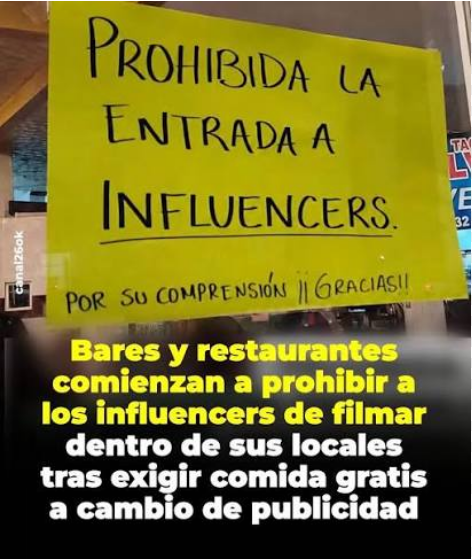
The other day I came across this article online. The “No influencers allowed”sign on a restaurant door is no longer just a tantrum by an exhausted owner or an unfriendly measure. It has become the most brilliant, high-profile, and effective branding campaign in recent times within the hospitality industry. Although the first high-profile bans on influencers—which began a few years ago—were led by fine-dining restaurants seeking to protect their diners’ experience, the wave that went viral between late July and early August 2026 has a different origin and tone. The phenomenon exploded globally not only because of decisions made by top chefs but also due to a domino effect that reached neighborhood restaurants, bars, and conventional cafés—amplified by social media and by an increasingly visible weariness with certain practices of content creators. By hanging a “No Influencers” sign, a restaurant positions itself as a defender of the traditional diner and of culinary craftsmanship against what some members of the public perceive as frivolity, opportunism, or excessive exposure on social media. Marketing sees an opportunity here: the restaurant stops selling just food and begins to sell a stance as well—one with which many customers can identify. It’s not a war against the digital world; it’s about protecting an establishment’s greatest asset: the experience, atmosphere, and comfort of the diner who pays for their evening. It’s a firm return to the luxury of discretion, where mystery and intimacy are once again attributes of immense value to brands.” What do you think? Are you for or against this? Do you think it affects diners’ privacy? If you owned a restaurant, would you let them into your business?
Level:
Executive Chef
Influencers, ¿sí o no en restaurantes?
El otro día me encontré este artículo en internet. El cartel de “No se admiten influencers” en la puerta de un restaurante ya no es una simple rabieta de un dueño agotado ni una medida antipática. Se ha convertido, en la campaña de posicionamiento más brillante, ruidosa y efectiva de los últimos tiempos en el ecosistema de la hospitalidad. Aunque los primeros vetos a influencers que se hicieron notorios fueron protagonizados, desde hace algunos años, por restaurantes de alta gastronomía interesados en proteger la experiencia de sus comensales, la ola que se volvió viral entre finales de julio y comienzos de agosto de 2026 tiene un origen y un tono diferentes. El fenómeno explotó a nivel global no solamente por las decisiones de grandes chefs, sino también por un efecto dominó que alcanzó a restaurantes de barrio, bares y cafés convencionales, amplificado por las redes sociales y por un cansancio cada vez más visible frente a determinadas prácticas de los creadores de contenido. Al colgar un cartel de “No influencers”, un restaurante se presenta como defensor del comensal tradicional y del trabajo gastronómico frente a lo que una parte del público percibe como frivolidad, oportunismo o exceso de exposición en redes sociales. El marketing encuentra allí una oportunidad, el restaurante deja de vender únicamente comida y comienza a vender también una postura. Una postura con la que muchos clientes pueden identificarse. No es una guerra contra lo digital; es proteger el mayor activo de un establecimiento: la experiencia, el clima y el confort del comensal que paga por su velada. Es un firme retorno al lujo de la discreción, donde el misterio y la intimidad vuelven a ser atributos de inmenso valor para las marcas.” ¿Qué opináis vosotros?, ¿estáis a favor o en contra?, ¿pensáis que afecta a la privacidad de los comensales? Si tuvierais un local de hostelería, ¿los dejaríais entrar en vuestro negocio?
 Translated from Spanish
 Mercedes Minaya Palacios and Rayes Gomaa1 Comment
-
 Level:
Executive Chef
Level:
Executive Chef
Entiendo perfectamente que no les dejen, lo que me parece es que son unos cara dura
1
-