-

Antonio Salvador Moreno Carretero posted an update
Level: Executive Chef
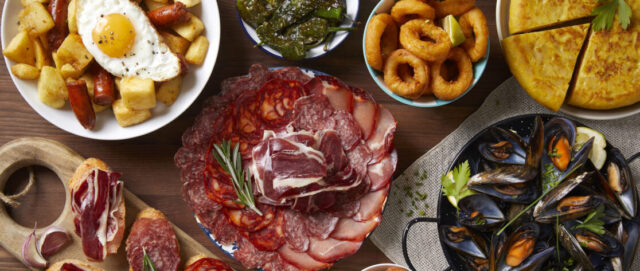
The tradition of tapas in Spain is a deep-rooted culinary and social custom that consists of eating small portions of food accompanied by a drink (wine or beer), often going around several bars. Its origin dates back to the need to protect drinks from dust in taverns or by royal decrees to moderate alcohol consumption.
Here are the key points of the tapas tradition:
- Historical origin: It is believed to have emerged in Andalusia in the 19th century, although one legend attributes its origin to King Alfonso X the Wise in the 13th century to avoid rapid drunkenness when eating between drinks.
- Cultural significance “Ir de tapas” or “tapear” is a fundamental social act in Spain to share time with friends or family, moving from bar to bar.
- Evolution: Traditionally, they were simple small portions (cheese, ham, olives) to cover the glass of wine, but today they include “gourmet” versions and elaborate dishes.
- Variety: Each region has its own specialties, from montaditos in Madrid to pintxos in the Basque Country.
- Competitions: There are annual events such as those in Valladolid or San Sebastian that reward creativity in the preparation of these small portions.
Level:
Executive Chef
La tradición de las tapas en España es una costumbre culinaria y social arraigada que consiste en tomar pequeñas porciones de comida acompañadas de una bebida (vino o cerveza), a menudo recorriendo varios bares. Su origen se remonta a la necesidad de proteger las bebidas del polvo en tabernas o por decretos reales para moderar el consumo de alcohol.
Aquí se detallan los puntos clave de la tradición de las tapas:
- Origen histórico: Se cree que surgió en Andalucía en el siglo XIX, aunque una leyenda atribuye su origen al rey Alfonso X el Sabio en el siglo XIII para evitar la embriaguez rápida al comer entre bebidas.
- Significado cultural “Ir de tapas” o “tapear” es un acto social fundamental en España para compartir tiempo con amigos o familiares, moviéndose de bar en bar.
- Evolución: Tradicionalmente, eran pequeñas porciones sencillas (queso, jamón, aceitunas) para tapar el vaso de vino, pero hoy en día incluyen versiones “gourmet” y platos elaborados.
- Variedad: Cada región tiene sus propias especialidades, desde los montaditos en Madrid hasta los pintxos en el País Vasco.
- Concursos: Existen eventos anuales como los de Valladolid o San Sebastián que premian la creatividad en la elaboración de estas pequeñas porciones.
 Translated from Spanish
 urunagamariaisabel, Mercedes Delgado de Miguel and Lana Mihajlović1 Comment
-
 Level:
Executive Chef
Level:
Executive Chef
Lo que nos gusta el tapeo!!!
1