-

Antonio Salvador Moreno Carretero posted an update
Level: Executive Chef
Paella “Made in Spain”.
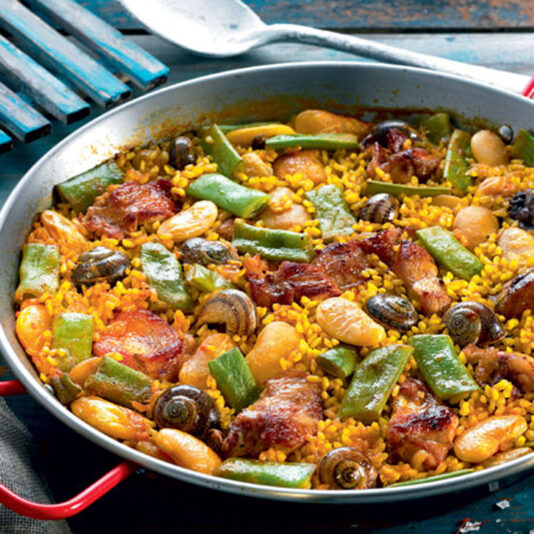
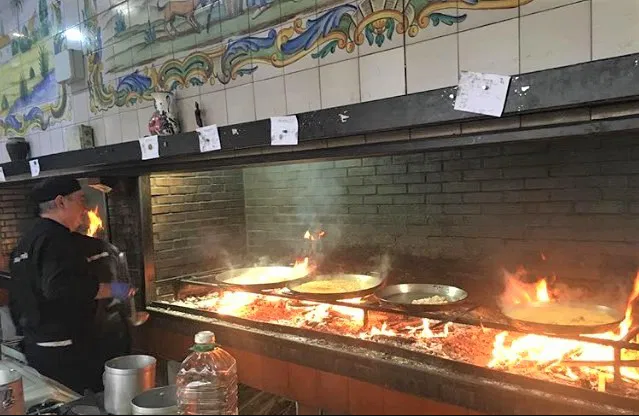
The typical Spanish paella, originating in the fields of Valencia (15th-16th centuries), was born as a humble peasant dish using rice, rabbit, chicken, snails and local vegetables cooked in a wide pan called paella (from the Latin patella). Over time, it became popularized and diversified with seafood ingredients, becoming a Spanish icon, with its traditional version (Valencian) being defined by its ingredients from the garden, while other variants (seafood, mixed) emerged adapting to the coast and international demand, especially since the tourist boom. Arab influence The Arabs introduced rice cultivation in the Iberian Peninsula, improving irrigation systems. Peasant recipe Valencian farmers cooked it outdoors, using rice, chicken, rabbit, snails and vegetables (green beans, garrofón). The name comes from the large, flat pan in which it is cooked, called paella (from the Latin patella). Eighteenth century: first written records in cookbooks, consolidating its popularity in the region. Variants: Seafood versions (with seafood) arose near the coast, and later the mixed version, combining meat and seafood. Diffusion: It became a national dish in celebrations and banquets, promoted by historical figures and universal expositions. Internationalization: After the Civil War and the tourist boom (1960s), it became popular worldwide, adapting to local ingredients and becoming a culinary symbol of Spain. Authentic Valencian Paella. Key Ingredients: Rice, chicken, rabbit, garrofón, flat green beans, tomato, saffron, olive oil, salt and sometimes snails. Character: A dish that represents the gathering, the tradition and the pride of the Valencian orchard. P.S. Always remember; the only one that receives the name of paella is the Valencian paella, the others are rice with things, (seafood rice, vegetable rice). Paella is the container where the rice is made and paellera is the lady who made the rice.
Level:
Executive Chef
Paella “Made in Spain”.
La paella típica española, originaria de los campos de Valencia (siglos XV-XVI), nació como un plato humilde de campesinos que usaban arroz, conejo, pollo, caracoles y verduras locales cocidos en una sartén ancha llamada paella (del latín patella). Con el tiempo, se popularizó y diversificó con ingredientes de mar, convirtiéndose en un icono español, con su versión tradicional (valenciana) definiéndose por sus ingredientes de la huerta, mientras que otras variantes (marisco, mixta) surgieron adaptándose a la costa y a la demanda internacional, especialmente a partir del boom turístico. Influencia árabe Los árabes introdujeron el cultivo del arroz en la península ibérica, mejorando los sistemas de riego. Receta campesina Los agricultores valencianos la cocinaban al aire libre, usando arroz, pollo, conejo, caracoles y verduras (judías verdes, garrofón). El nombre Proviene de la sartén grande y plana donde se cocina, llamada paella (del latín patella). Siglo XVIII: Primeros registros escritos en libros de cocina, consolidando su popularidad en la región. Variantes: Surgieron versiones marineras (con mariscos) cerca de la costa, y más tarde la mixta, combinando carne y marisco. Difusión: Se convirtió en un plato nacional en celebraciones y banquetes, impulsado por figuras históricas y exposiciones universales. Internacionalización: Tras la Guerra Civil y el boom turístico (años 60), se popularizó mundialmente, adaptándose a ingredientes locales y convirtiéndose en símbolo culinario de España. La Paella Valenciana Auténtica. Ingredientes Clave: Arroz, pollo, conejo, garrofón, judía verde plana, tomate, azafrán, aceite de oliva, sal y, a veces, caracoles. Carácter: Un plato que representa la reunión, la tradición y el orgullo de la huerta valenciana. P.D. Recordar siempre; la única que recibe el nombre de paella es la valenciana, las demás son arroz con cosas, (arroz de marisco, arroz de verduras). Paella es el recipiente donde se hace el arroz y paellera es la señora que hacía el arroz.
 Translated from Spanish
 Anna Vittorino, Mercedes Delgado de Miguel and 6 others1 Comment
-

This is such a wonderful dish..full of texture and flavor..
🤩
1
-