-

Antonio Salvador Moreno Carretero posted an update
Level: Executive Chef
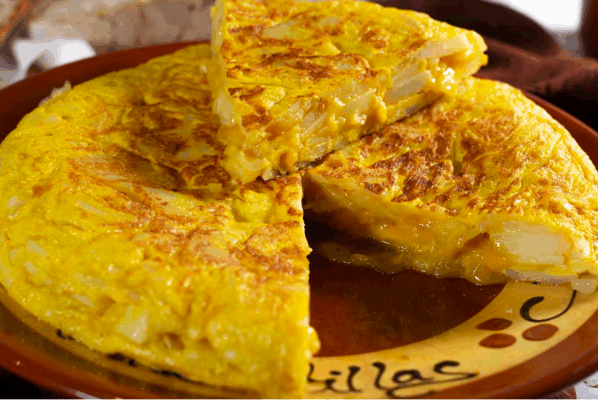
The history of the potato omelet is a mystery with several theories, but it is believed to have emerged in Spain in the eighteenth or nineteenth century, probably in Extremadura (Villanueva de la Serena) or Navarra, from the need to create a cheap and nutritious food, using potatoes and eggs to stretch the food, being the first documented recipe from 1817 in Navarra and a popular legend links it to General Zumalacárregui in the Carlist Wars (1835) as food for his troops.
Theories and Origins:
Extremadura (18th century):
Research points to Villanueva de la Serena (Badajoz) as a possible cradle, with documents from the late 18th century describing its preparation, attributing it to Joseph de Tena Godoy and the Marquis of Robledo as a way to make bread cheaper.
Navarre (Carlist Wars):
The most widespread legend tells that it was General Tomás de Zumalacárregui who, looking for a nutritious food for his troops during the siege of Bilbao (1835), discovered or popularized the potato omelet, although this is more a myth than a historical fact.
Humble Origin:
The consensus is that it was born out of the need of the humble classes to stretch the meal, using eggs and potatoes (considered second-rate food) mixed with stale bread to make it more hearty and economical, as described in a Navarre memorial of 1817.
Early References:
1767:
An agricultural document already mentions the use of potatoes in stews and tortillas in Spain.
1817:
A Navarre memorial de ratoneraera describes how peasants made big, fat tortillas by mixing potatoes and pieces of bread with few eggs to feed themselves.
1854:
The first written recipe for tortilla de patatas that we know of appears on this date, including fried potatoes, egg and oil.
Evolution:
From being a poor man’s dish, the potato omelette, with its variations (with or without onion), became an icon of Spanish gastronomy, demonstrating how humble ingredients can be transformed into a delicacy appreciated by all.
Level:
Executive Chef
La historia de la tortilla de patatas es un misterio con varias teorías, pero se cree que surgió en España en el siglo XVIII o XIX, probablemente en Extremadura (Villanueva de la Serena) o Navarra, a partir de la necesidad de crear un alimento barato y nutritivo, usando patatas y huevos para estirar la comida, siendo la primera receta documentada de 1817 en Navarra y una popular leyenda la vincula al General Zumalacárregui en las Guerras Carlistas (1835) como alimento para sus tropas.
Teorías y Orígenes:
Extremadura (Siglo XVIII):
Investigaciones apuntan a Villanueva de la Serena (Badajoz) como posible cuna, con documentos de finales del siglo XVIII que describen su preparación, atribuyéndola a Joseph de Tena Godoy y al Marqués de Robledo como una forma de abaratar el pan.
Navarra (Guerras Carlistas):
La leyenda más extendida cuenta que fue el General Tomás de Zumalacárregui quien, buscando un alimento nutritivo para sus tropas durante el sitio de Bilbao (1835), descubrió o popularizó la tortilla de patatas, aunque esto es más un mito que un hecho histórico.
Origen Humilde:
El consenso es que nació de la necesidad de las clases humildes para estirar la comida, usando huevos y patatas (consideradas alimento de segunda) mezcladas con pan duro para hacerla más abundante y económica, como se describe en un memorial navarro de 1817.
Primeras Referencias:
1767:
Un documento agrícola ya menciona el uso de patatas en guisados y tortillas en España.
1817:
Un \”memorial de ratonera\” navarro describe cómo los campesinos hacían tortillas grandes y gordas mezclando patatas y trozos de pan con pocos huevos para alimentarse.
1854:
La primera receta escrita de tortilla de patatas que conocemos aparece en esta fecha, incluyendo patatas fritas, huevo y aceite.
Evolución:
De ser un plato de pobres, la tortilla de patatas, con sus variaciones (con o sin cebolla), se convirtió en un icono de la gastronomía española, demostrando cómo los ingredientes humildes pueden transformarse en un manjar apreciado por todos.
 Translated from Spanish
 Mercedes Delgado de Miguel, Mercedes Minaya Palacios and Judy Keegan2 Comments
-
 Level:
Sous Chef
Level:
Sous Chef
Muy interesante Antonio, gracias por compartir.
1 -
Level:
Scoolinary Team
Sin dudas el plato que comería todo el resto de mi vida sin ningún problema. ¡Qué delicia!
Aquí en Argentina solemos ponerle mucha cebolla y chorizo
-