-

Antonio Salvador Moreno Carretero posted an update
Level: Executive Chef
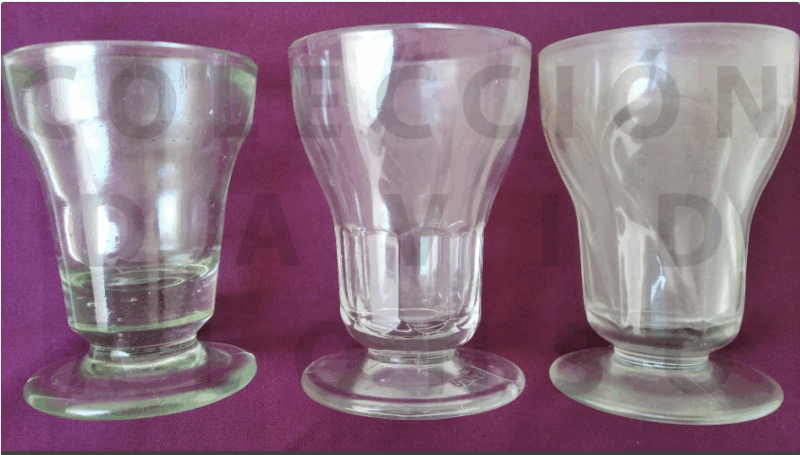
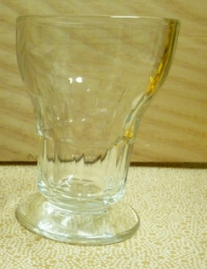
Today I bring you the 3rd and last part of Asian coffee. Today it is the turn of the cup to serve coffee because if not, it is not the real thing. The Asian coffee glass has its origin in Cartagena in the early twentieth century, when the Unión Vidriera de España designed a vermouth glass that was later modified to serve this drink. Originally, a footed glass was used, but between 1932 and 1934 it was eliminated to make it more resistant to the high temperatures of coffee. The recipe evolved from requests from Asian sailors, who drank coffee with condensed milk and cognac, to the current version with Licor 43, cinnamon, and a base of late milk, the measure of which is marked on the glass.
- Initial design (1908): The glass was originally designed by the Unión Vidriera de España to serve vermouth.
- Modification for coffee (1932-1934): To better withstand the high temperatures of coffee, the foot of the glass was removed, making it more robust.
- Design evolution (1945): José Díaz Beltrán contributed to its evolution by creating the “taut glass cup”, more resistant to high temperatures, which began to be mass-produced in 1945.
- The recipe on the glass: The markings on the glass were added to indicate the correct proportion of each ingredient: condensed milk, cognac (or other liqueurs such as Licor 43) and coffee.
- Update: Since 2016, most of these glasses are made of polypropylene, a material that increases their durability and resistance to high temperatures.
- Photo 1 are some old glasses and photo 2 is the current and official one.
Level:
Executive Chef
Hoy os traigo la 3.ª y última parte del café asiático. Hoy le toca a la copa para servir el café porque si no, no es el auténtico. La copa del café asiático tiene su origen en Cartagena a principios del siglo XX, cuando la Unión Vidriera de España diseñó una copa de vermut que luego fue modificada para servir esta bebida. Originalmente, se utilizaba una copa con pie, pero entre 1932 y 1934 se eliminó para hacerla más resistente a las altas temperaturas del café. La receta evolucionó desde las peticiones de marineros asiáticos, que bebían café con leche condensada y coñac, hasta la versión actual con Licor 43, canela, y una base de leche lateada, cuya medida está marcada en la copa.
- Diseño inicial (1908): La copa fue diseñada originalmente por la Unión Vidriera de España para servir vermut.
- Modificación para café (1932-1934): Para resistir mejor las altas temperaturas del café, se eliminó el pie de la copa, haciéndola más robusta.
- Evolución del diseño (1945): José Díaz Beltrán contribuyó a su evolución creando el “vaso de vidrio tenso”, más resistente a las altas temperaturas, que comenzó a producirse en masa en 1945.
- La receta en la copa: Las marcas en la copa fueron añadidas para indicar la proporción correcta de cada ingrediente: leche condensada, coñac (u otros licores como el Licor 43) y café.
- Actualidad: Desde 2016, la mayoría de estas copas se fabrican en polipropileno, un material que aumenta su durabilidad y resistencia a las altas temperaturas.
- La foto 1 son agunas copas antiguas y la 2 es la actual y oficial.
 Translated from Spanish
 Lana Mihajlović, Betza Medina and 2 others1 Comment
-
 Level:
Executive Chef
Level:
Executive Chef
Gracias por los datos históricos, Antonio 👏👏👏
1