-

Lana Mihajlović ha publicado una actualización
Level: Sous Chef
#BreadChallenge – Pan trenzado de Pascua (Uskršnja pogača)
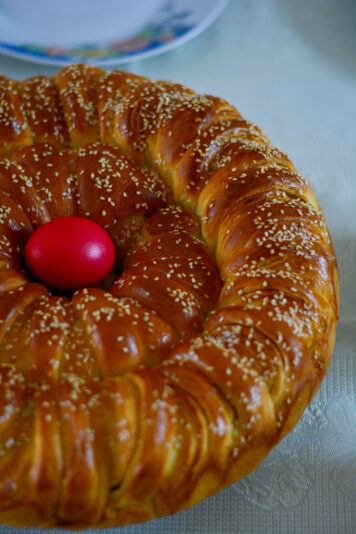
Este pan procede de una tradición con la que crecí: una masa festiva y enriquecida preparada para Pascua, donde la técnica se une al simbolismo. La estructura trenzada representa la continuidad, mientras que el huevo del centro marca la renovación.
Pero más allá de la tradición, se trataba de un ejercicio de control.
Harina
Harina de trigo blanco (T-500), elegida por su equilibrio: suficientemente fuerte para crear estructura, suficientemente blanda para mantener la miga tierna.Tipo de masa
Masa enriquecida (leche, huevos, grasa), que ralentiza naturalmente la fermentación y requiere más atención a los tiempos y la temperatura.Técnica de amasado
Método combinado: amasado inicial hasta la incorporación, seguido de un amasado de intensidad media para desarrollar el gluten sin apretar demasiado la masa. Textura final: blanda, elástica, ligeramente pegajosa.Fermentación
Fermentación directa.
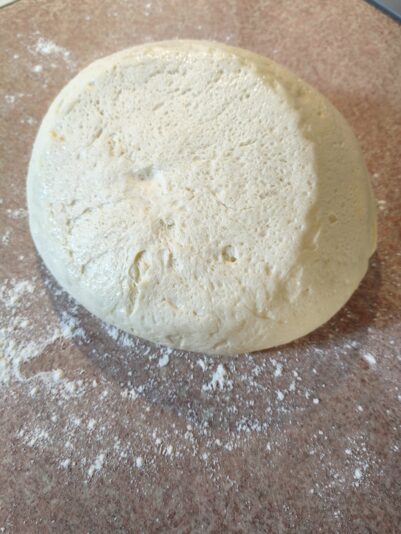
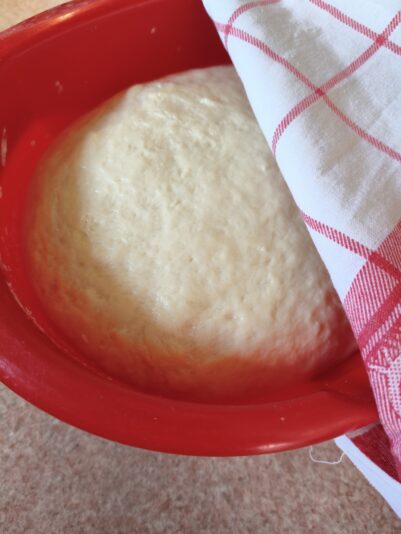
Primera fermentación: ~1,5-2 horas a temperatura ambiente, hasta que duplique su volumen.
Segundo levado (después de dar forma): más corto y controlado, para conservar la definición de la trenza.Dar forma a
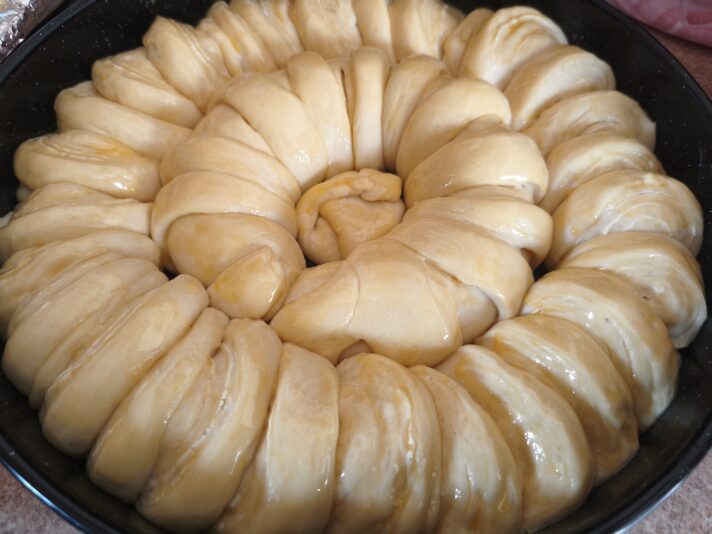
La masa se divide y se enrolla en hebras, después se trenza y se le da forma de anillo. La clave es la tensión: demasiado floja y pierde forma, demasiado apretada y restringe la elasticidad del horno.Horneado
Lavado de huevo para dar color y brillo, sésamo para la textura.
Horneado en un horno estático a temperatura moderada para garantizar una cocción uniforme sin que se dore en exceso debido al contenido de azúcar y grasa.Resultado
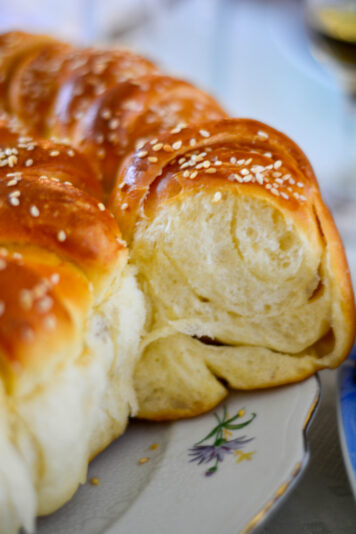
Miga suave y estructurada con hebras finas y uniformes.
Corteza fina, acabado brillante, riqueza equilibrada – no pesada, pero claramente enriquecida.Reflejo
Este tipo de pan tiene un aspecto decorativo, pero el verdadero reto consiste en gestionar la fermentación en una masa rica y mantener la estructura durante el moldeado y la cocción.Level:
Sous Chef
#BreadChallenge – Easter Braided Bread (Uskršnja pogača)
This bread comes from a tradition I grew up with – a festive, enriched dough prepared for Easter, where technique meets symbolism. The braided structure represents continuity, while the egg in the center marks renewal.
But beyond tradition, this was an exercise in control.
Flour
White wheat flour (T-500), chosen for its balance – strong enough to build structure, soft enough to keep the crumb tender.Dough type
Enriched dough (milk, eggs, fat), which naturally slows fermentation and requires more attention to timing and temperature.Kneading technique
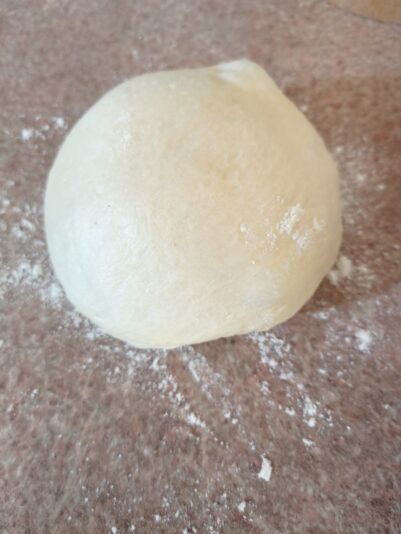
Combined method – initial mixing until incorporation, followed by medium-intensity kneading to develop gluten without over-tightening the dough. Final texture: soft, elastic, slightly tacky.Fermentation
Direct fermentation.
First rise: ~1.5–2 hours at room temperature, until doubled.
Second rise (after shaping): shorter and controlled, to preserve definition in the braid.Shaping
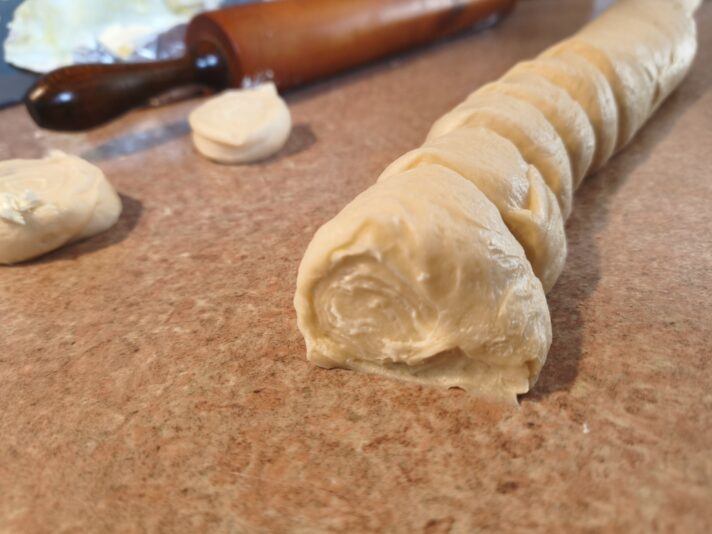
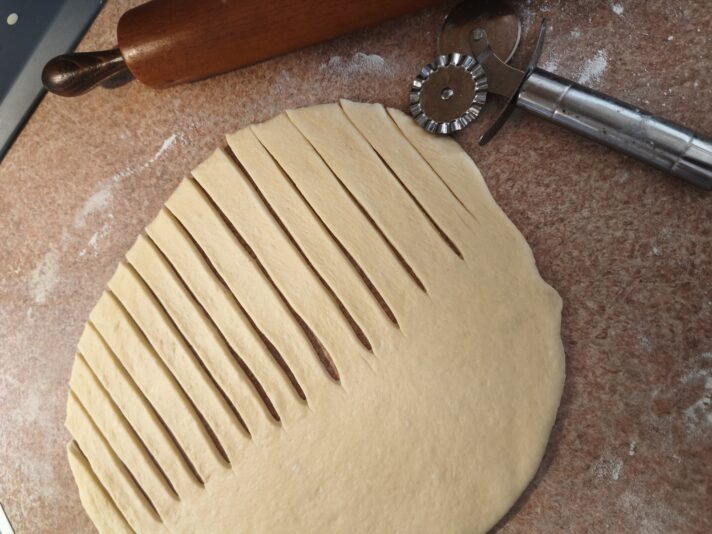
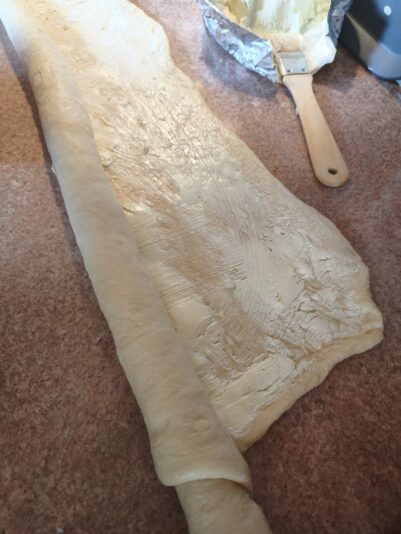
The dough was divided and rolled into strands, then braided and formed into a ring. The key here is tension – too loose and it loses form, too tight and it restricts oven spring.Baking
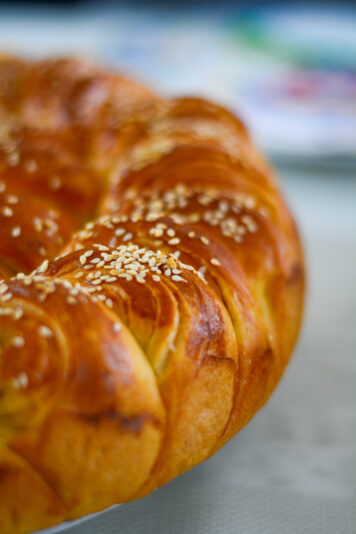
Egg wash for color and shine, sesame for texture.
Baked in a static oven at moderate temperature to ensure even cooking without over-browning due to sugar and fat content.Result
Soft, structured crumb with fine, even strands.
Thin crust, glossy finish, balanced richness – not heavy, but clearly enriched.Reflection
This type of bread looks decorative, but the real challenge is managing fermentation in a rich dough and maintaining structure through shaping and baking.Traducido del inglés Ana Tejedor, Mercedes Minaya Palacios y5 más15 Comentarios
-

Espectacular 👏
1-
Level:
Sous Chef
@oscar-j-gonzalez-hernandez Gracias Oscar
Level:
Sous Chef
@oscar-j-gonzalez-hernandez Thank you Oscar
1hace mesesTraducido del inglés
-
-
Level:
Executive Chef
Qué alegría volver a ver tus maravillosas recetas. Ese pan trenzado es lo más bonito que he visto hoy. Se nota la dedicación y el esmero que has puesto en su elaboración. Es espectacular y no puedo imaginar su sabor. El dorado y esa miga me dice que está delicioso. Felicidades 👏👏👏
1-
Level:
Sous Chef
@loles-mhotmail-com Thank you dear ♥️
-
-
So… when are you inviting us to try this lovely bread? It looks amazing, and I bet it tastes even better! Congrats!
1-
Level:
Sous Chef
@edgargr360 Thank you. You are always welcome 🤗
1
-
-
Beautiful
1-
Level:
Sous Chef
@jaddygonzalez Thank you ♥️
-
-
Level:
Executive Chef
Me impresiona l9 bonito que te ha quedado
1-
Level:
Sous Chef
@mercedesminayapalaciosgmail-com Thank you dear ♥️
-
-
Beautiful bread!! Really wish I could have a bite! 🙂
1-
Level:
Sous Chef
@rekahorvathr-e2c3b8 Thank you ♥️
-
-
Level:
Scoolinary Team
How lovely to see you back in a challenge, Lana 💛 This Easter braided bread carries both tradition and technique so beautifully.
The shaping is clean, the shine is gorgeous, and the crumb looks soft yet structured, not easy with enriched dough. I also love how you explained the symbolism behind the braid and the egg.
Do you make this pogača every Easter, or was this version a more personal reinterpretation?
1-
Level:
Sous Chef
@soldamiani Thank you dear. We make this bread every Easter, but we often make it throughout the year, just without the egg. I especially like the creative expression because it can be decorated in various ways. Definitely one of my favorite breads 😊
-
Level:
Scoolinary Team
@lanamihajlovic this pogača radiates tradition, and the decorative elements make it look both festive and personal, joyfull.
1
-
-
-